Dye Transfer Prints, 1976–1986
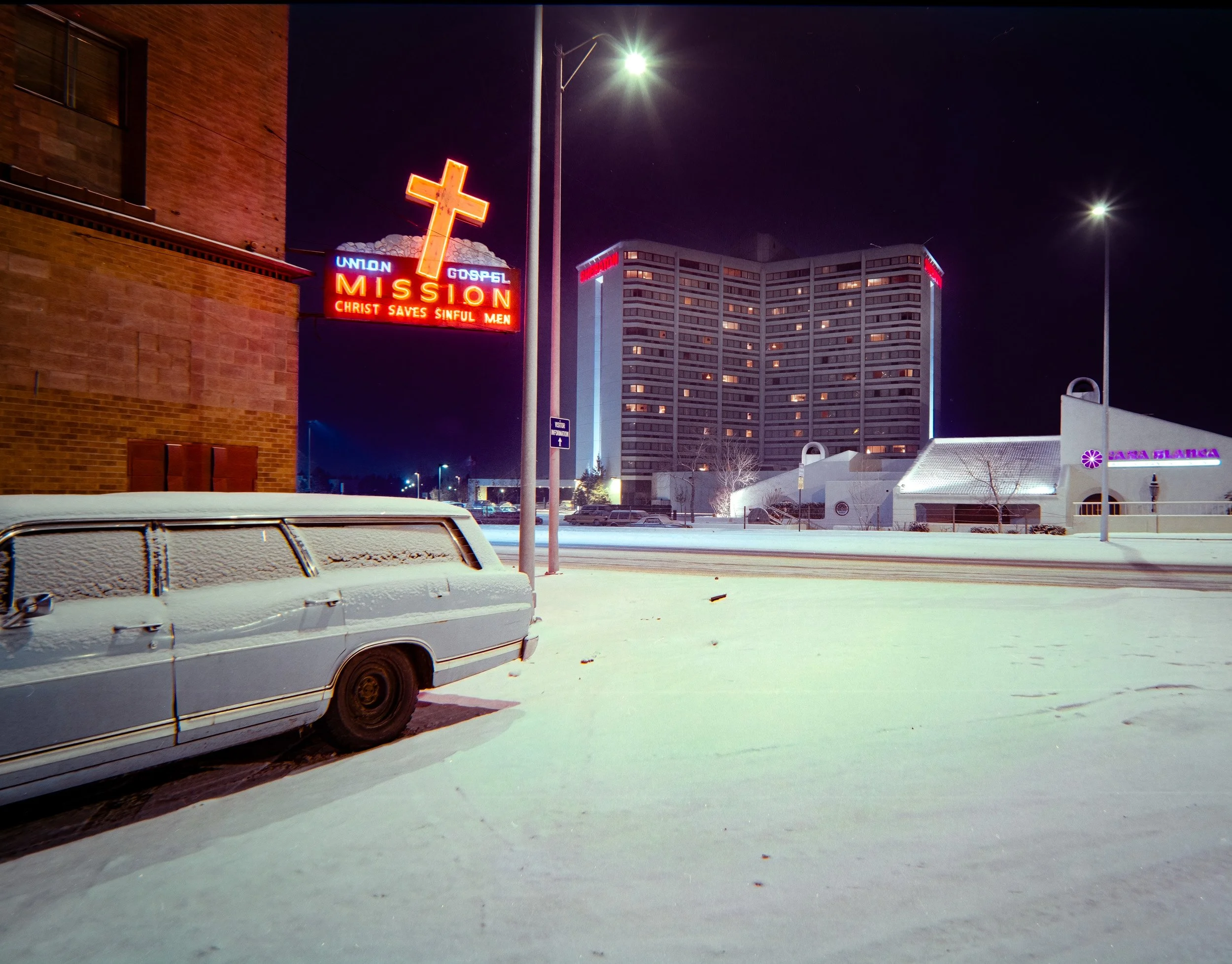
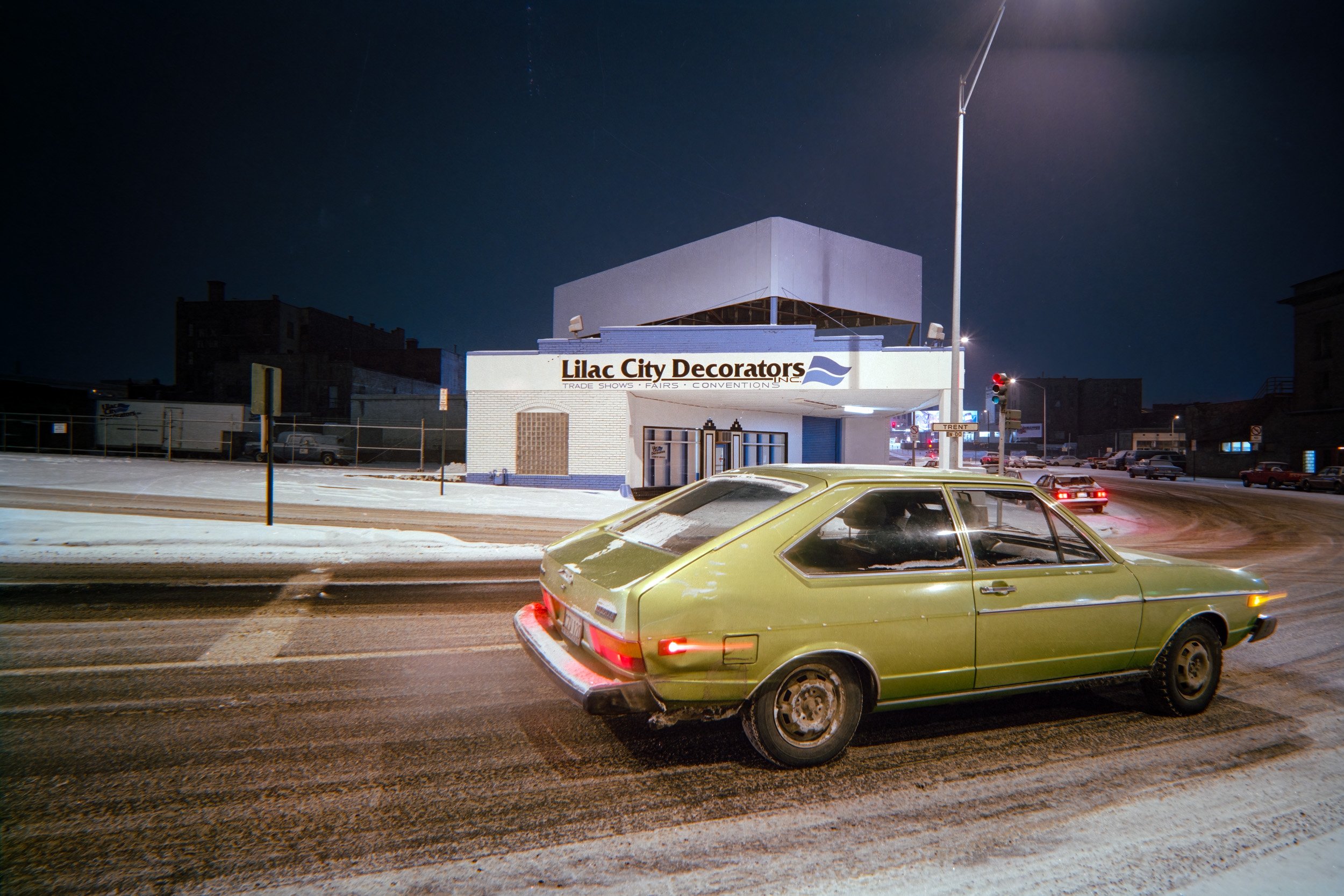
The dye transfer prints of Dennis Marsico represent a singular body of work within the history of American color photography, objects of exceptional technical rarity, archival permanence, and documentary consequence.
Dye transfer was the most demanding and exacting color printing process ever developed for fine art photography. Each print required the precise hand-registration of three separate gelatin matrices, individually saturated in cyan, magenta, and yellow dyes, and transferred in sequence to mordanted paper. The process offered unmatched color gamut, tonal range, and longevity, qualities that no chromogenic, Cibachrome, or digital process has equaled. It was, by its nature, almost entirely the province of specialized commercial laboratories. Fine art photographers who mastered and self-produced the entire process in their own studios were extraordinarily rare.
Marsico was one of them.
Working independently in Pittsburgh from 1976 to 1986, Marsico self-printed his dye transfer work from start to finish ; from color separation negatives through matrix exposure, development, and final registration — applying the full process to his long-term documentary projects chronicling the industrial communities of Western Pennsylvania. By 1982, Eastman Kodak, then the sole manufacturer of dye transfer materials worldwide, formally designated Marsico a master dye-transfer printer, a recognition accorded to very few photographers anywhere in the United States. Kodak subsequently provided both materials support and funding for a third major project, Italian Hilltowns and American Main Street Towns.
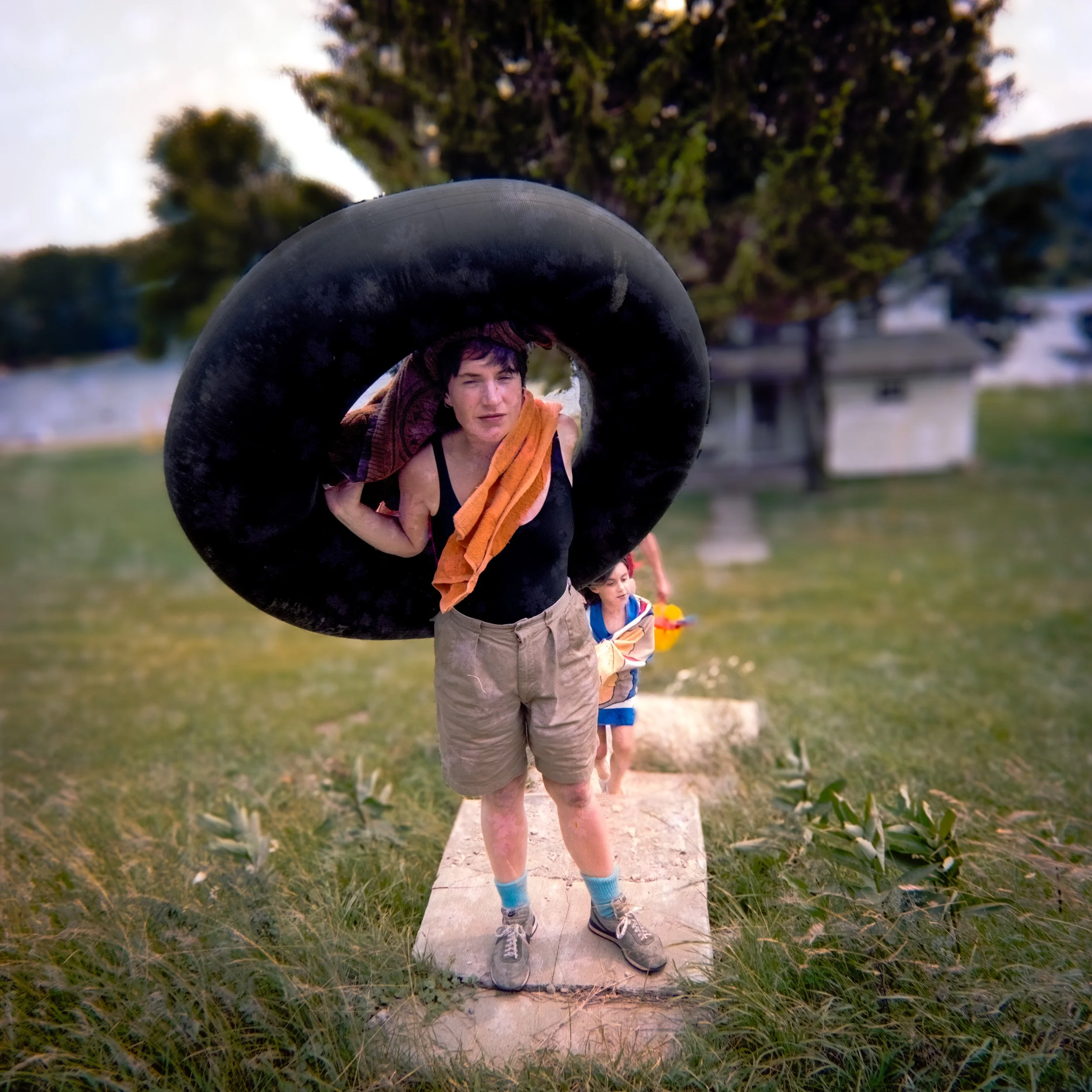
The dye transfer archive also encompasses a more intimate body of work . Photographs of his wife Lynn and friends that reflect the sensibility of a generation that came of age in the 1960s. Unguarded, free, and quietly charged, these images are among the most personally revealing prints in the archive, and among the most alive.
Exhibition history includes:
University of Pittsburgh, Frick Fine Arts Building, Pittsburgh, Pennsylvania — 1982
Graham Foundation Gallery, Chicago, Illinois
il Diaframma Gallery, Milan, Italy — one of Europe's most distinguished venues for photography
The archive currently holds approximately 52 dye transfer prints, the majority in unique editions of one. Each is an irreplaceable handmade object, produced entirely by the artist's hand during the active years of a process that Eastman Kodak discontinued in 1994. The prints possess the archival stability, color fidelity, and material integrity that institutions require for long-term preservation and display.
Inquiries regarding acquisition, exhibition loans, institutional access, or provenance documentation are welcome.
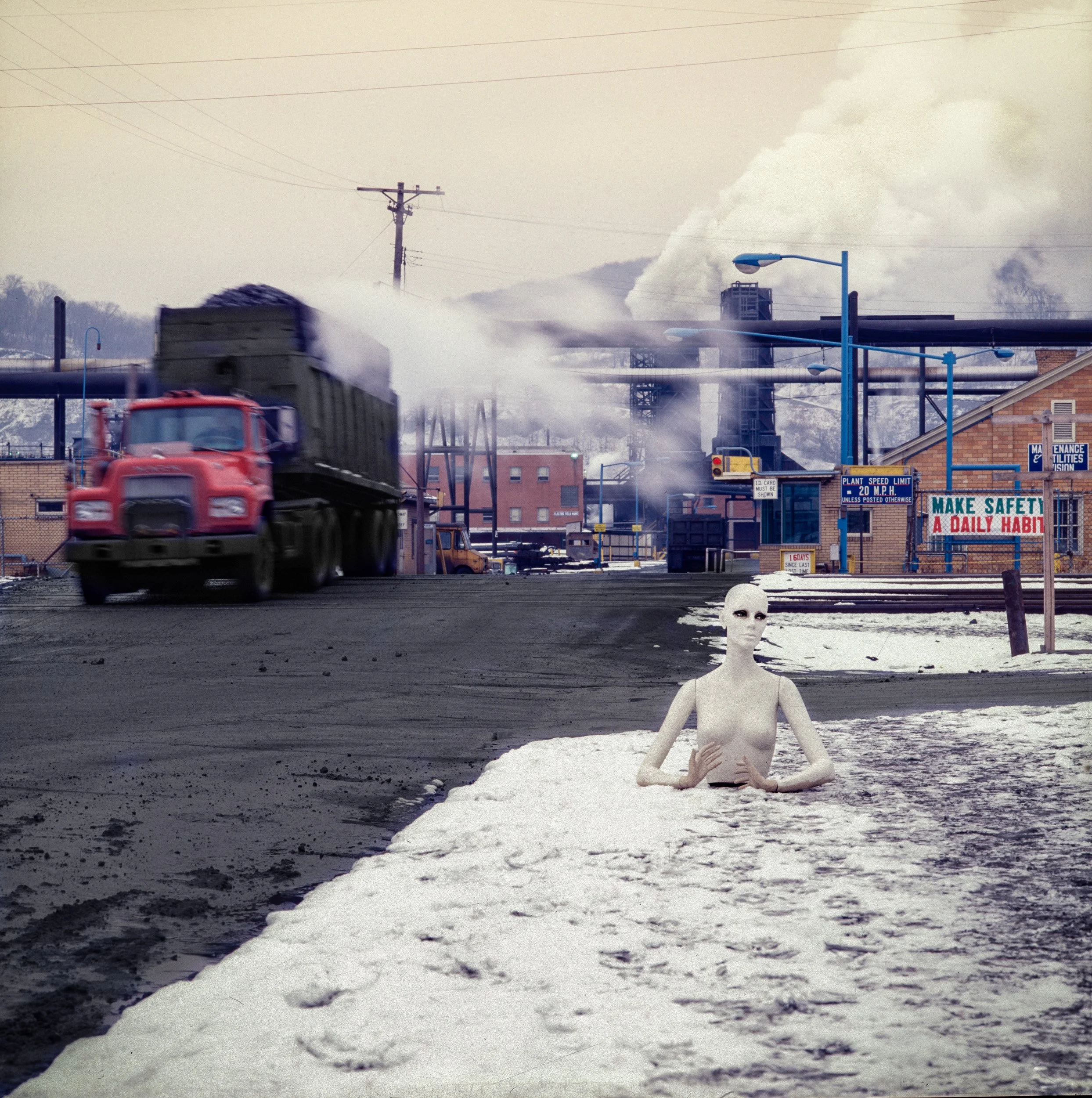
Clairton Works, 1975, copy from dye transfer print
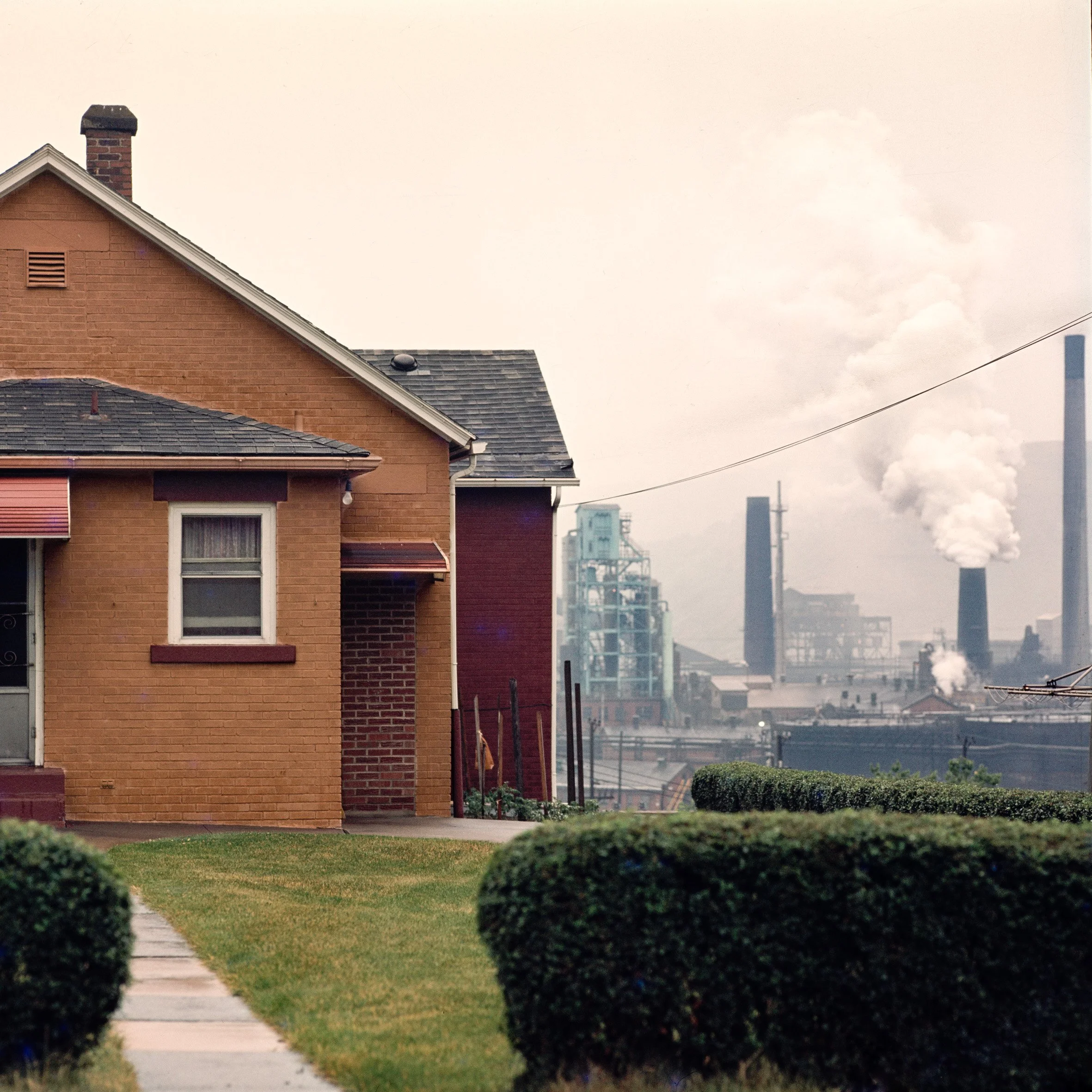
Clairton, Pennsylvania, 1974
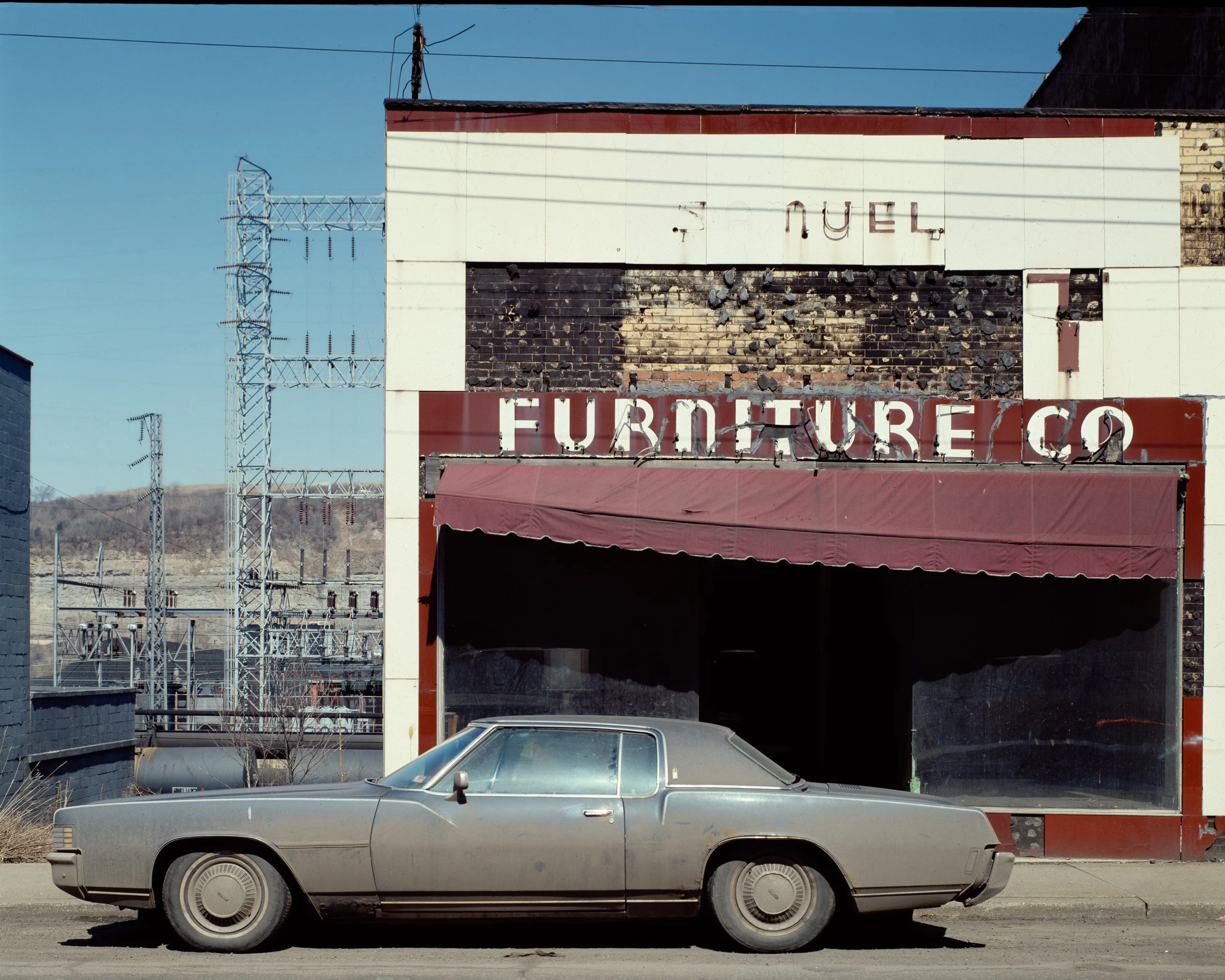
Clairton, Pennsylvania, 1974
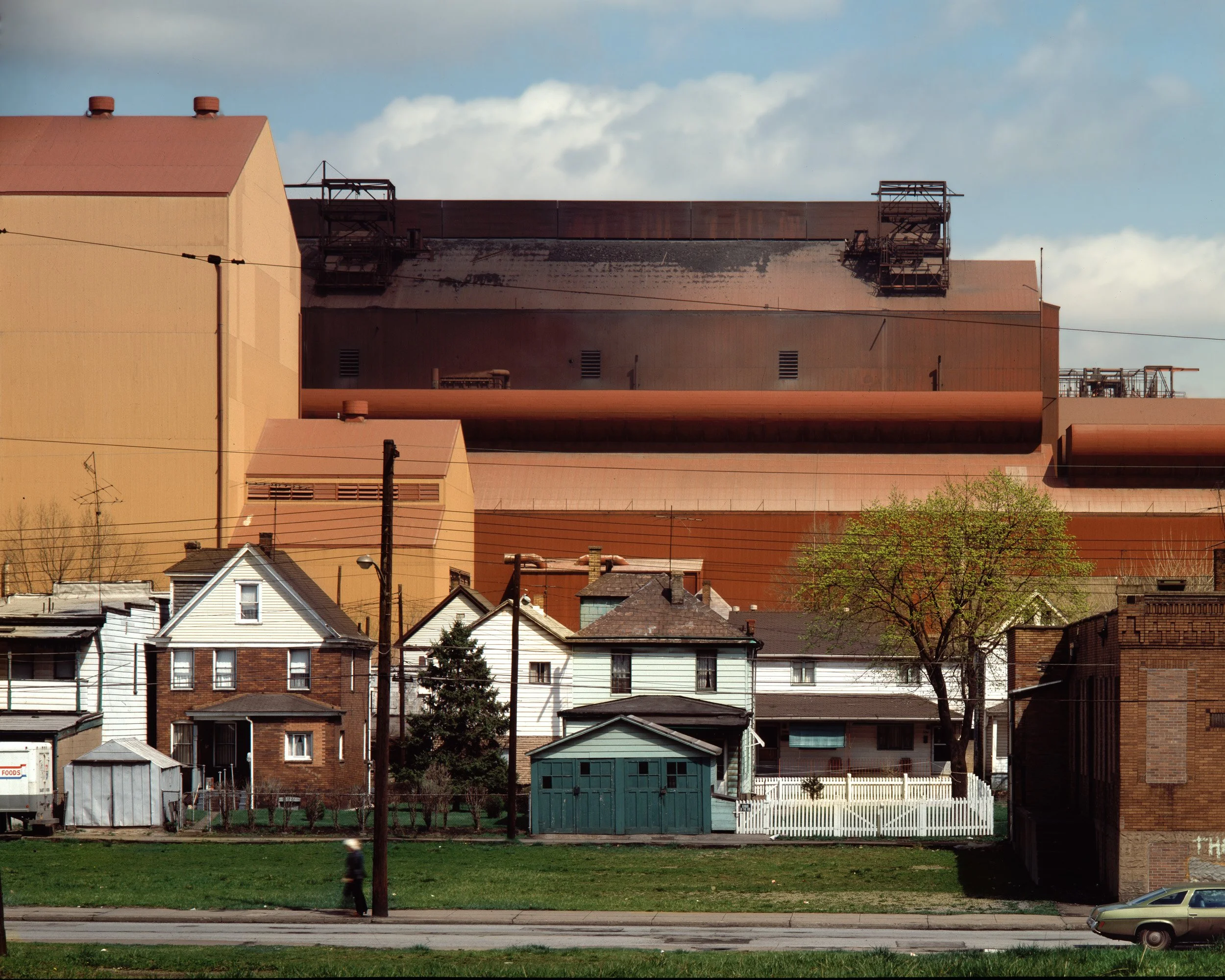
Aliquippa, Pennsylvania, 1975
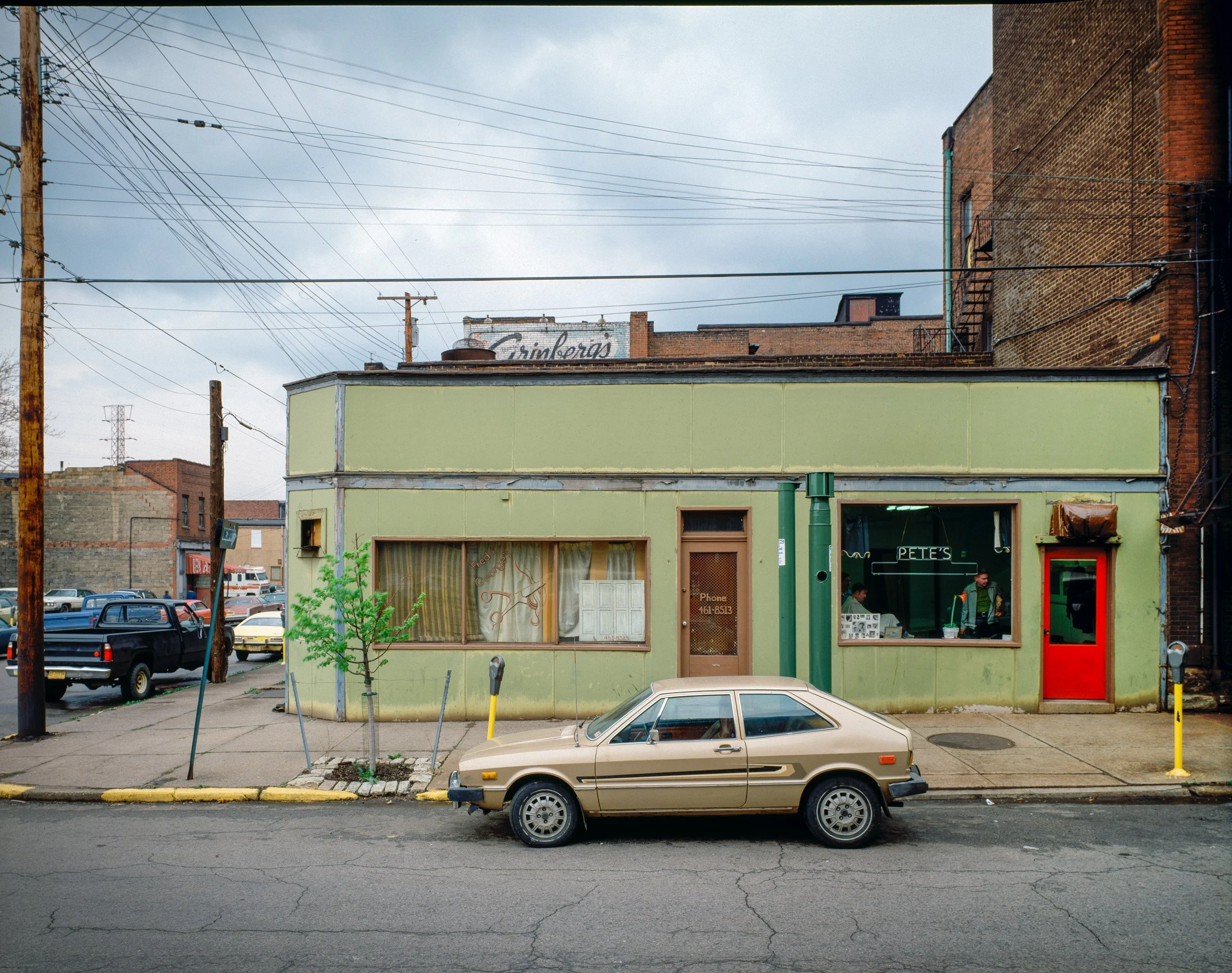
Homestead, Pennsylvania, 1977
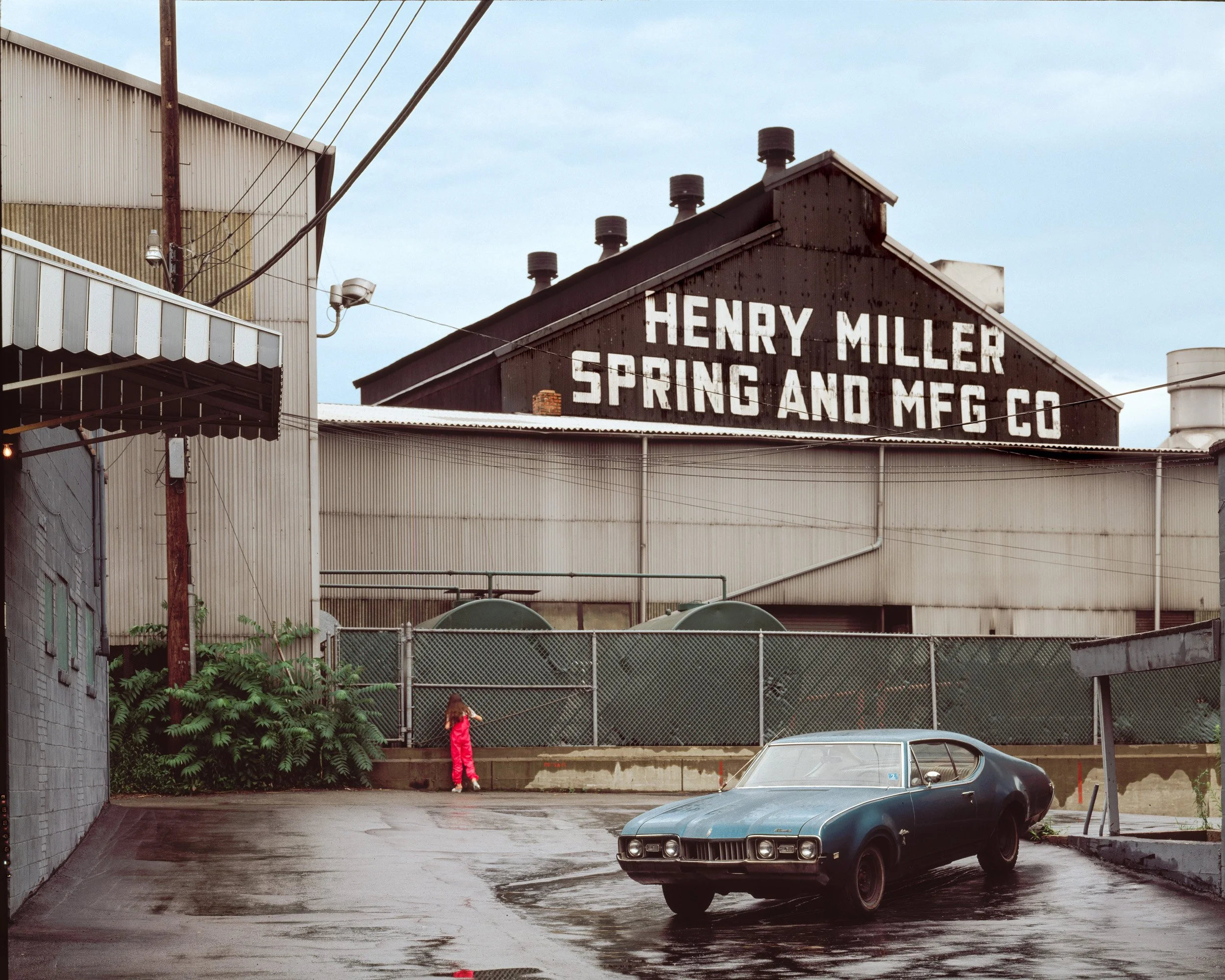
Young girl in search of Henry Miller, Sharpsburg, Pennsylvania, 1976
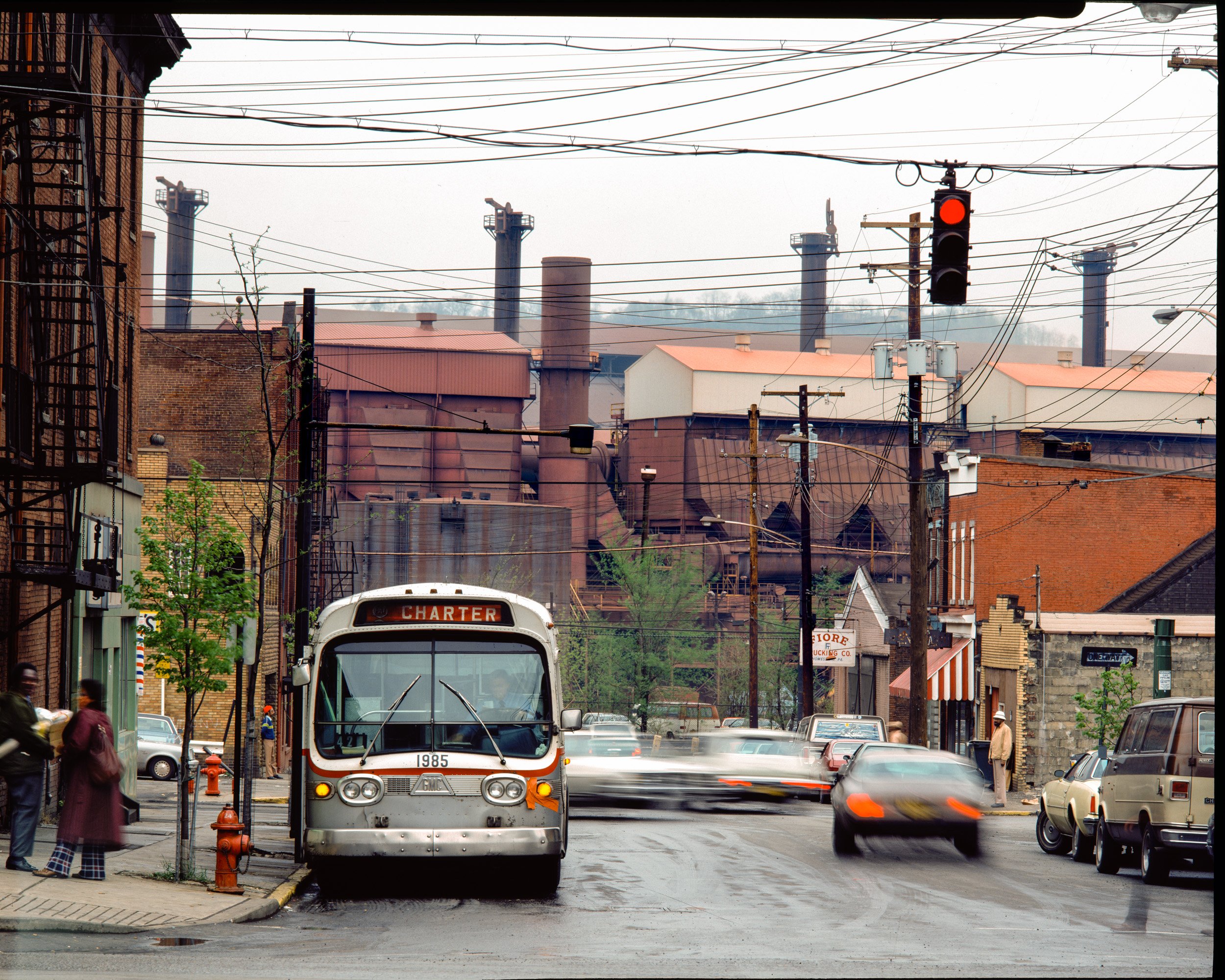
Homestead, Pennsylvania, 1977
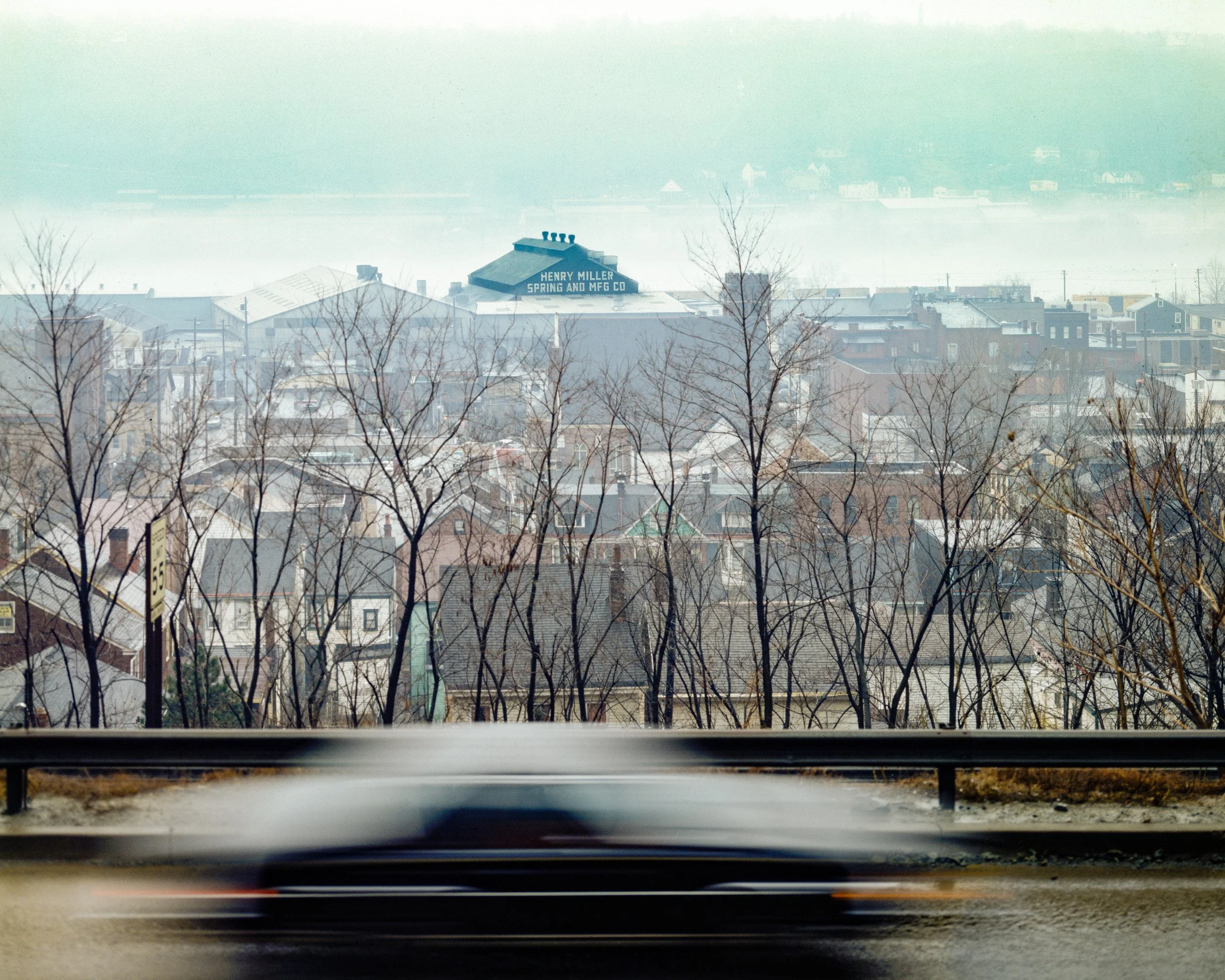
Sharpsburg, Pennsylvania, 1976
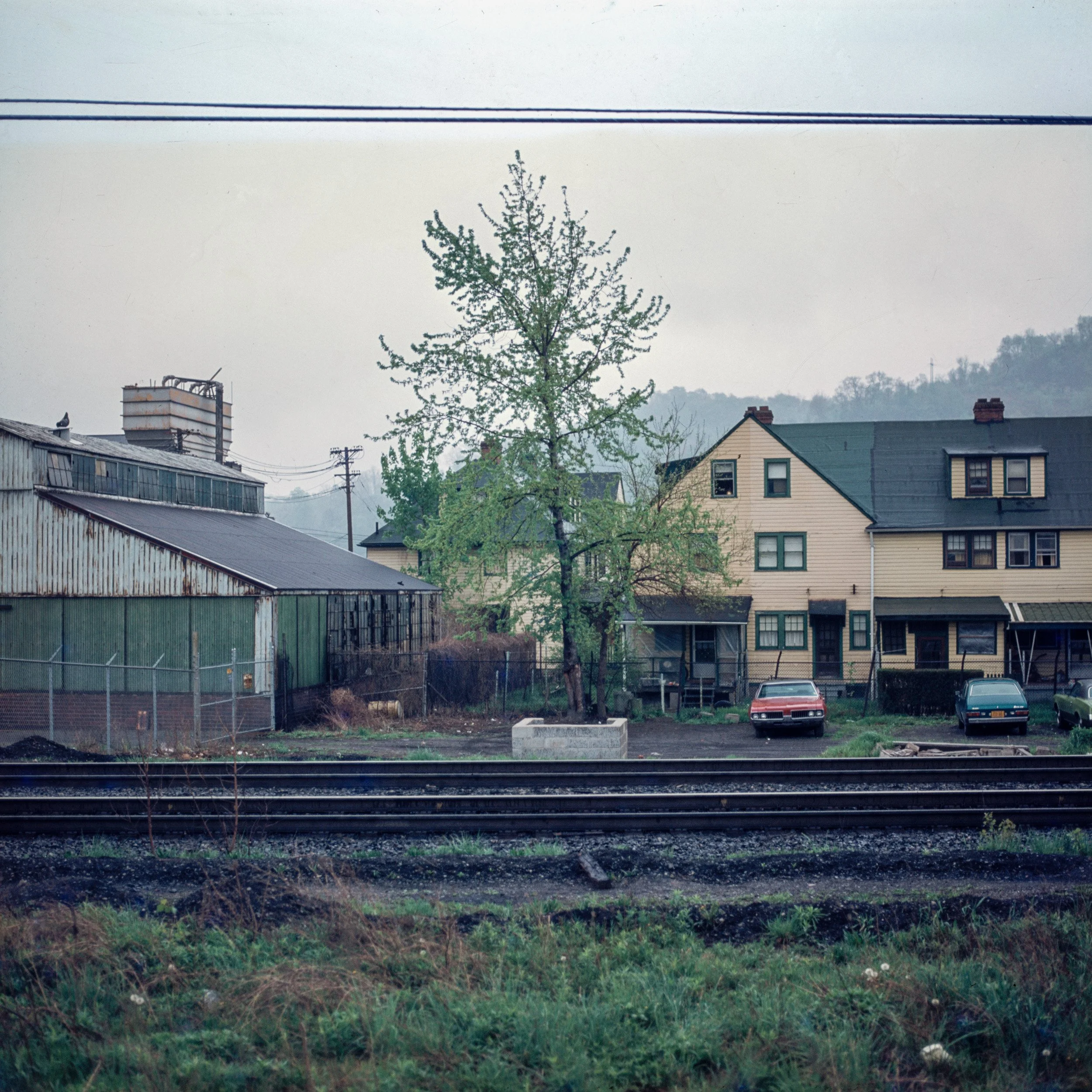
Blawnox, Pennsylvania, 1978, copy from dye transfer print
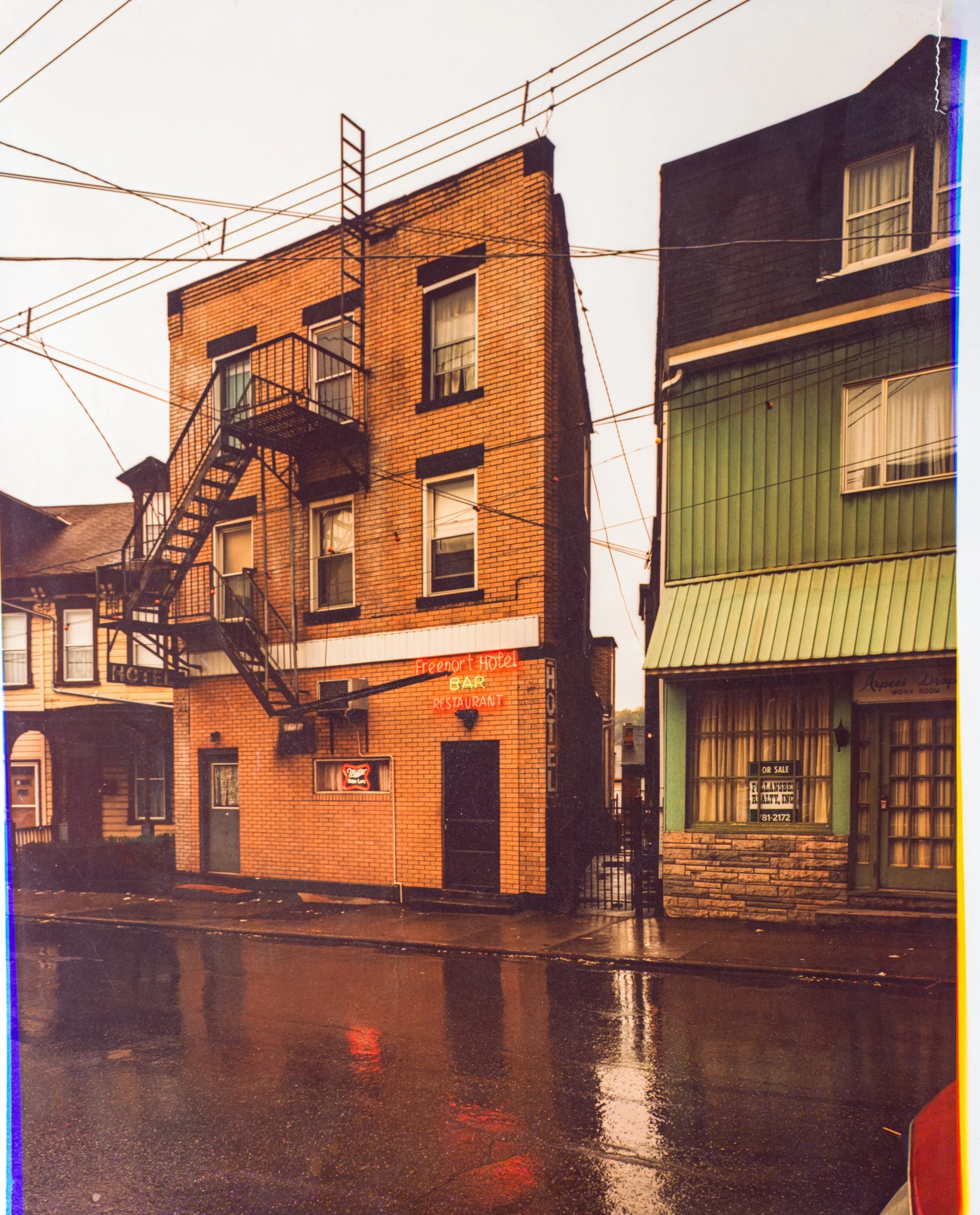
Etna, Pennsylvania, 1978, copy of original dye transfer print.
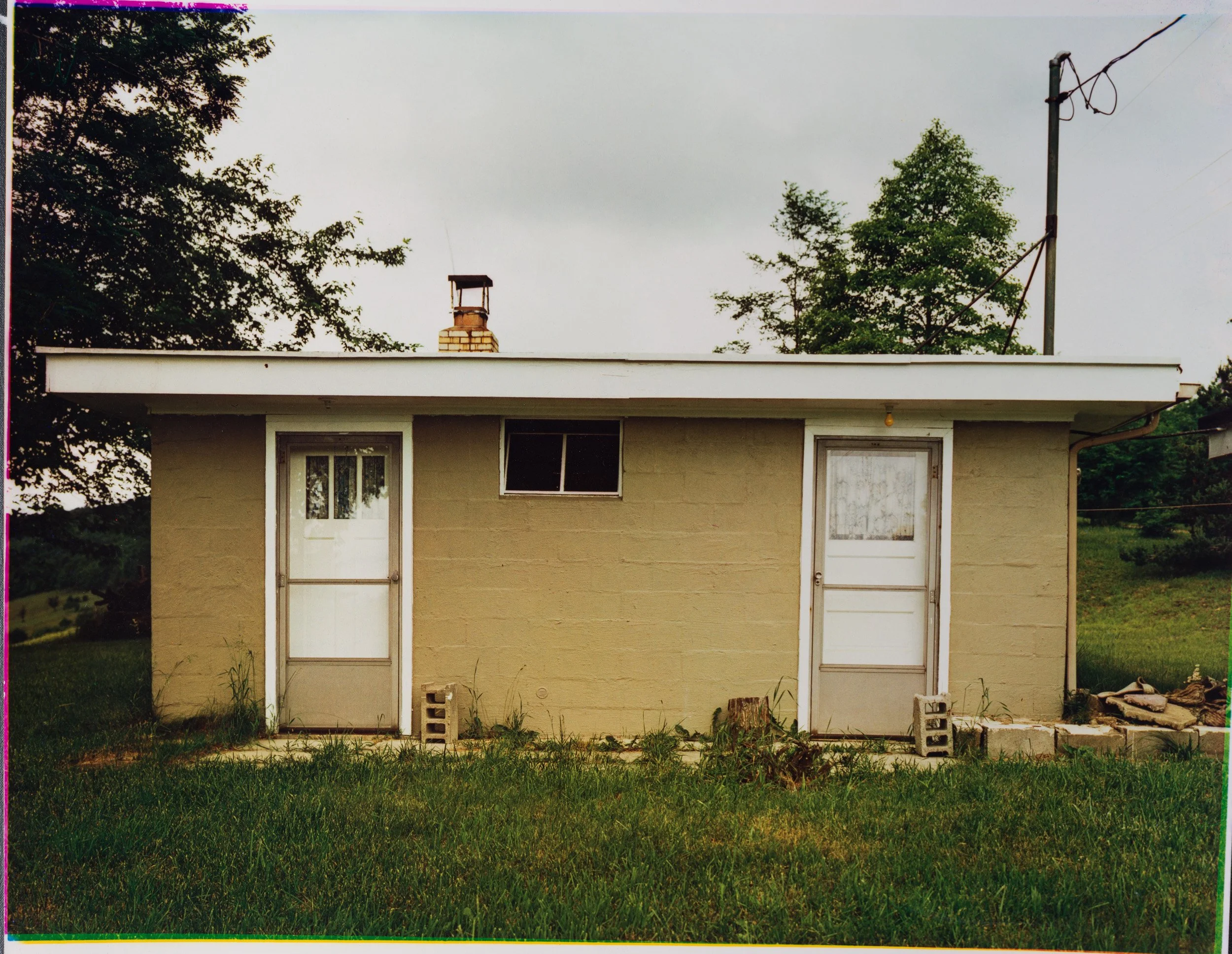
Clairton Gun and Rod Club, 1978, copy of original dye transfer print.
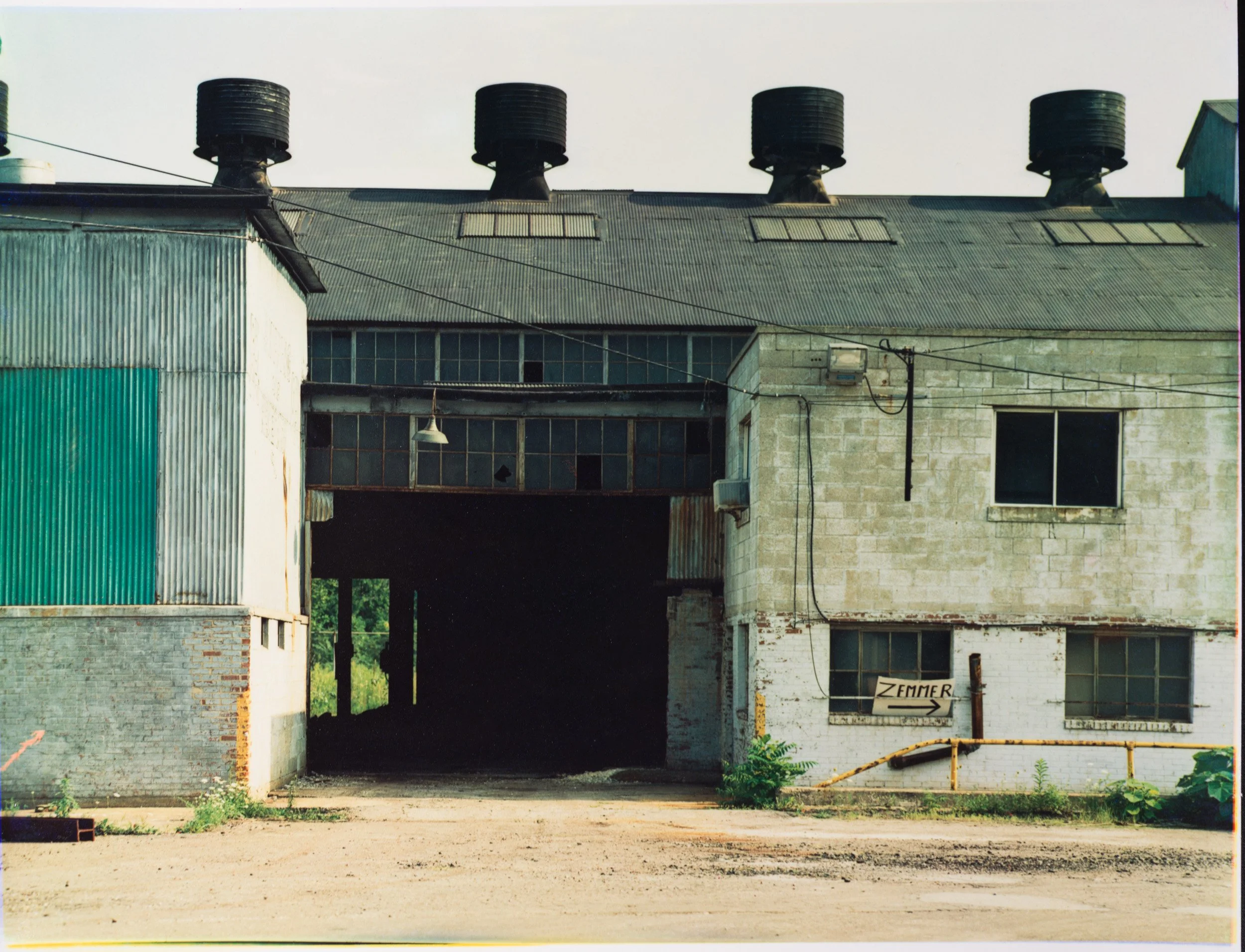
Steel Mill, Blawnox, Pennsylvania, 1978,
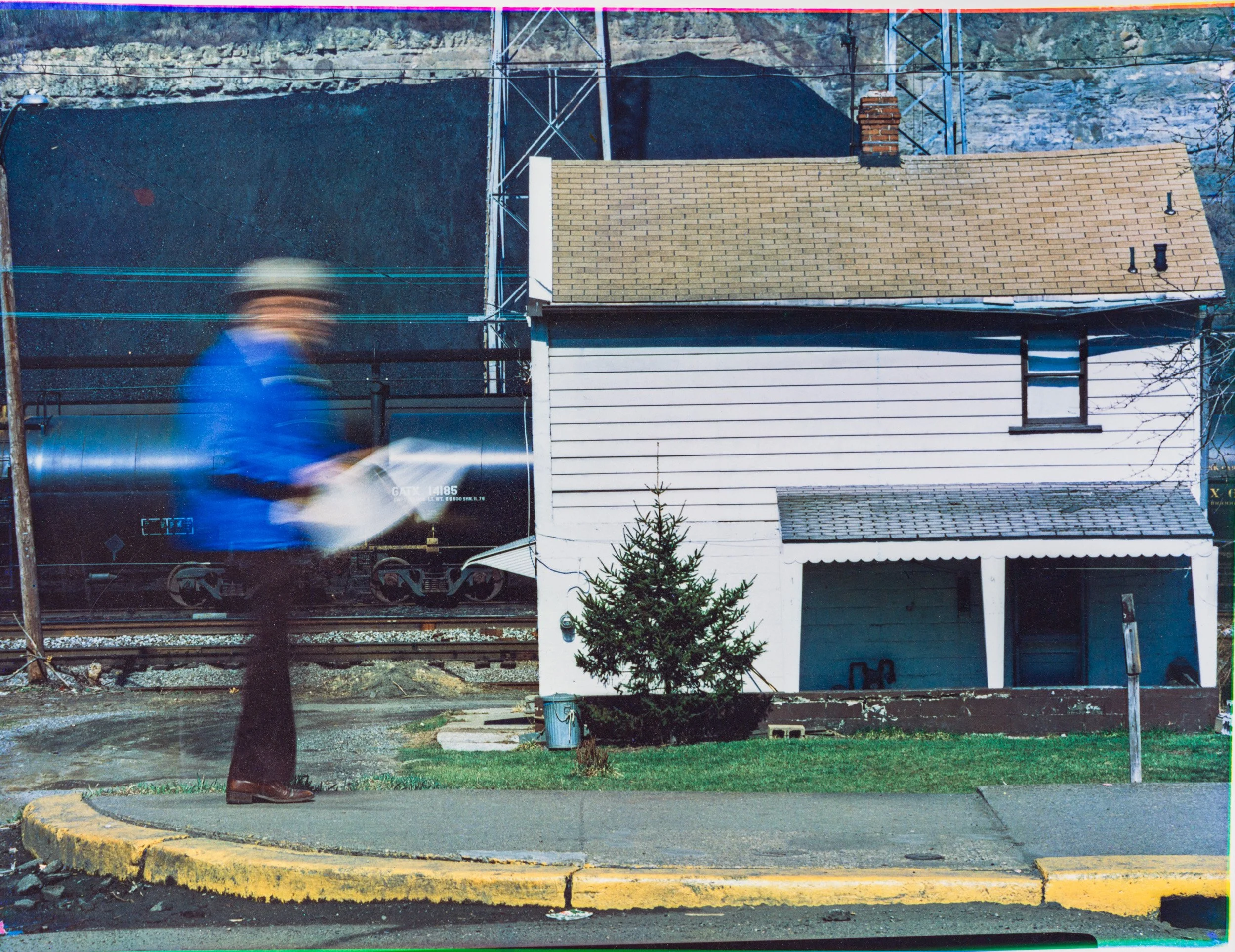
Clairton, Pennsylvania, 1978
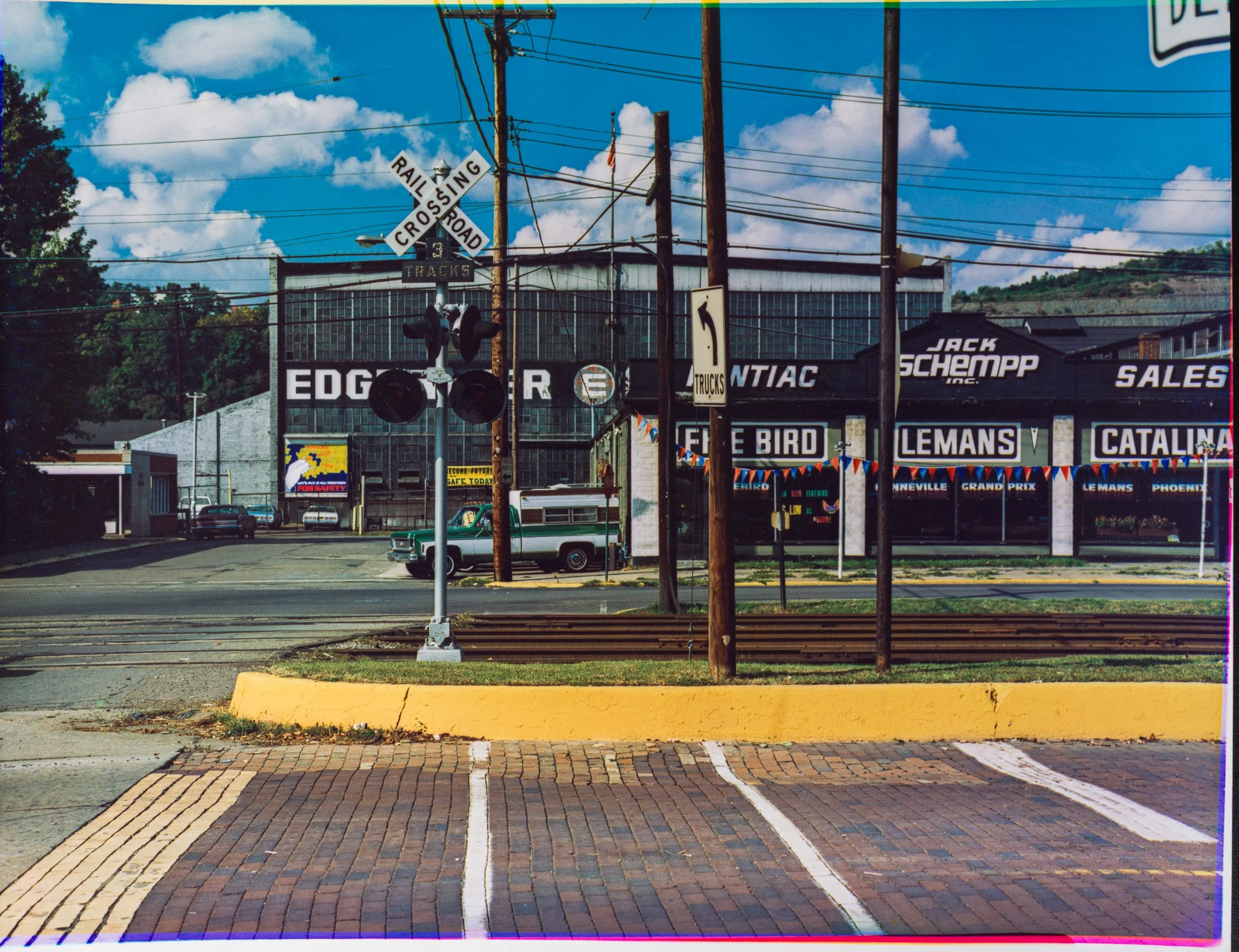
Oakmont, Pennsylvania, 1980
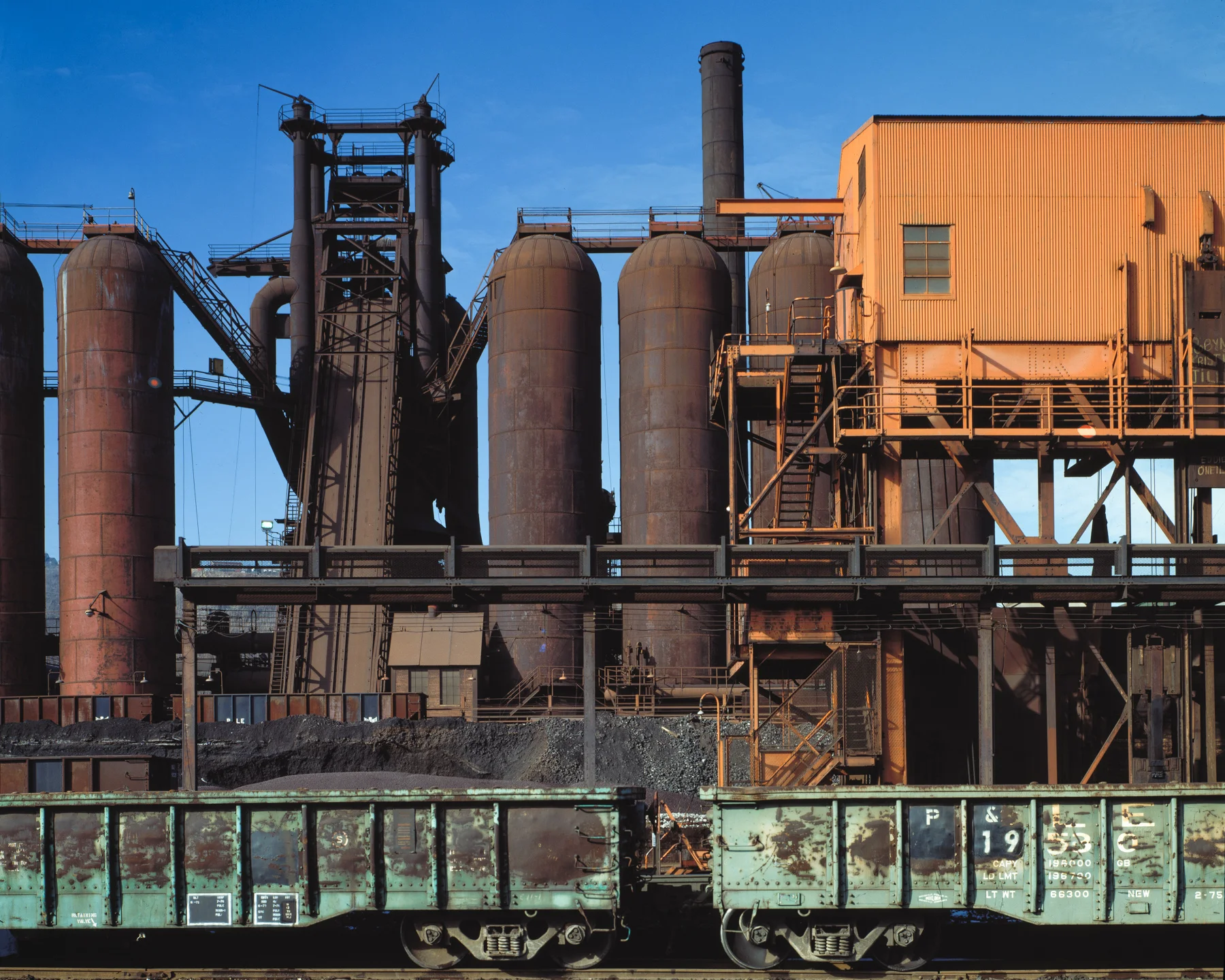
Duquesne, Pennsylvania, 1978
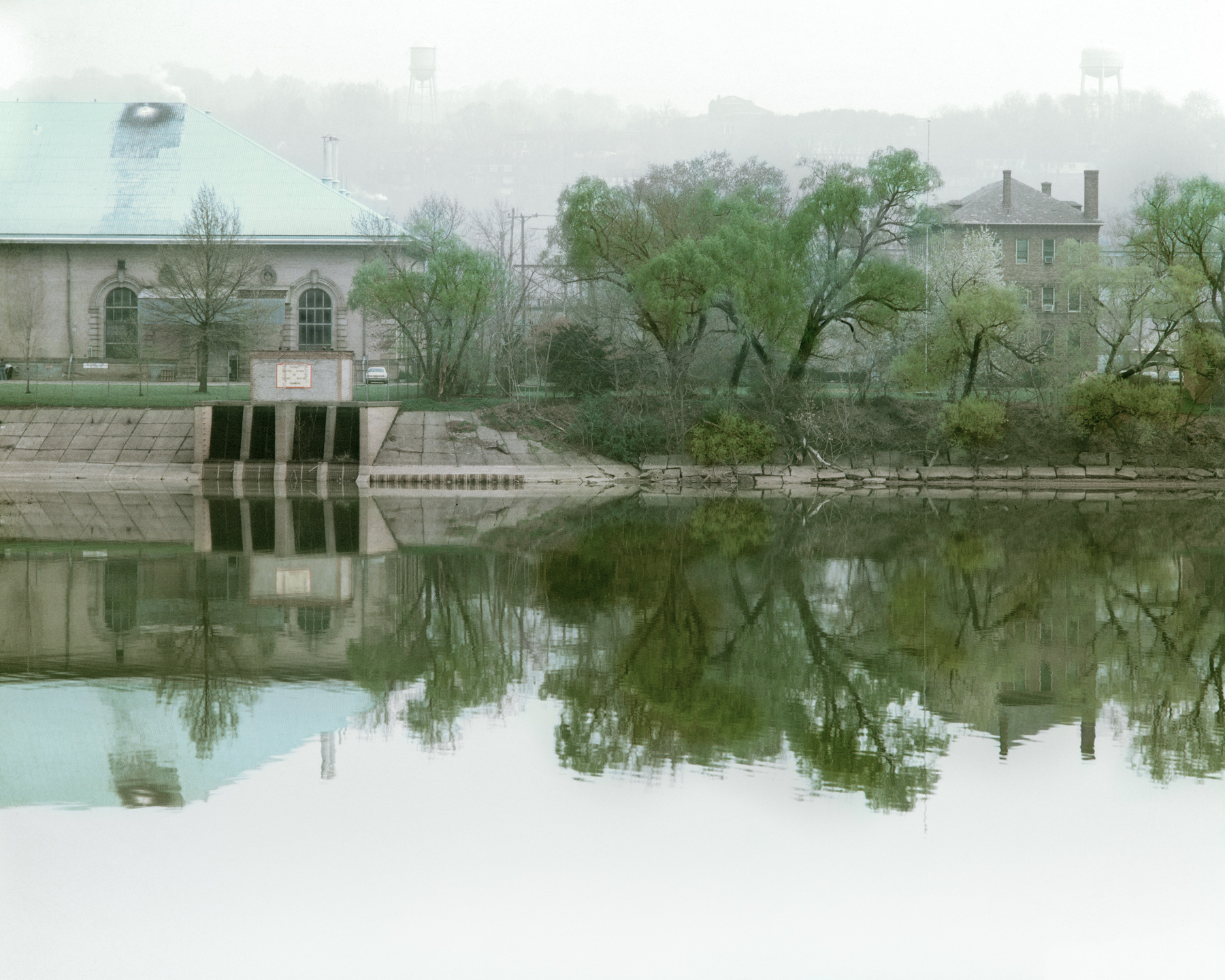
Aspinwall Water Filtration Plant, Pennsylvania
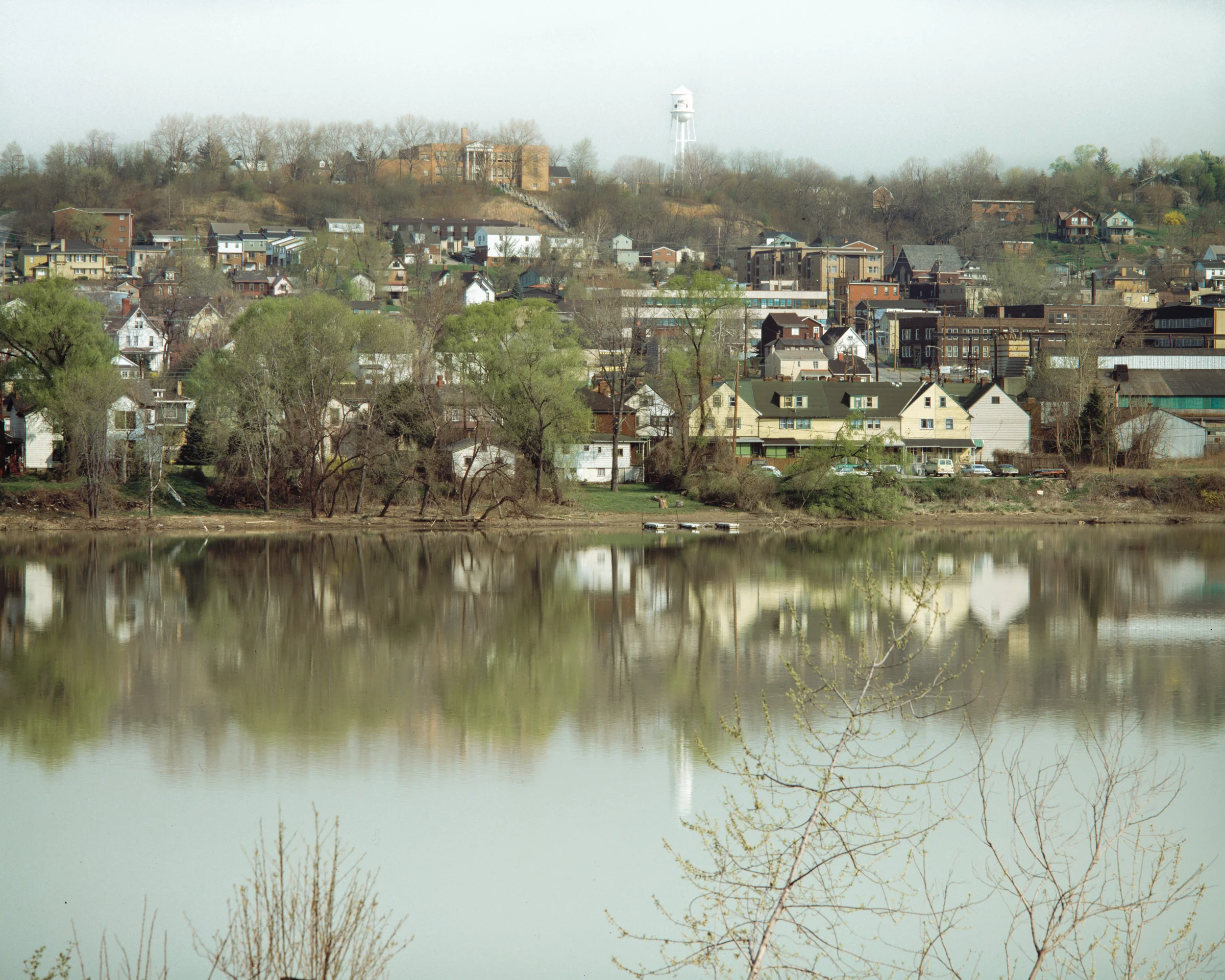
Blawnox, Pennsylvania, 1978
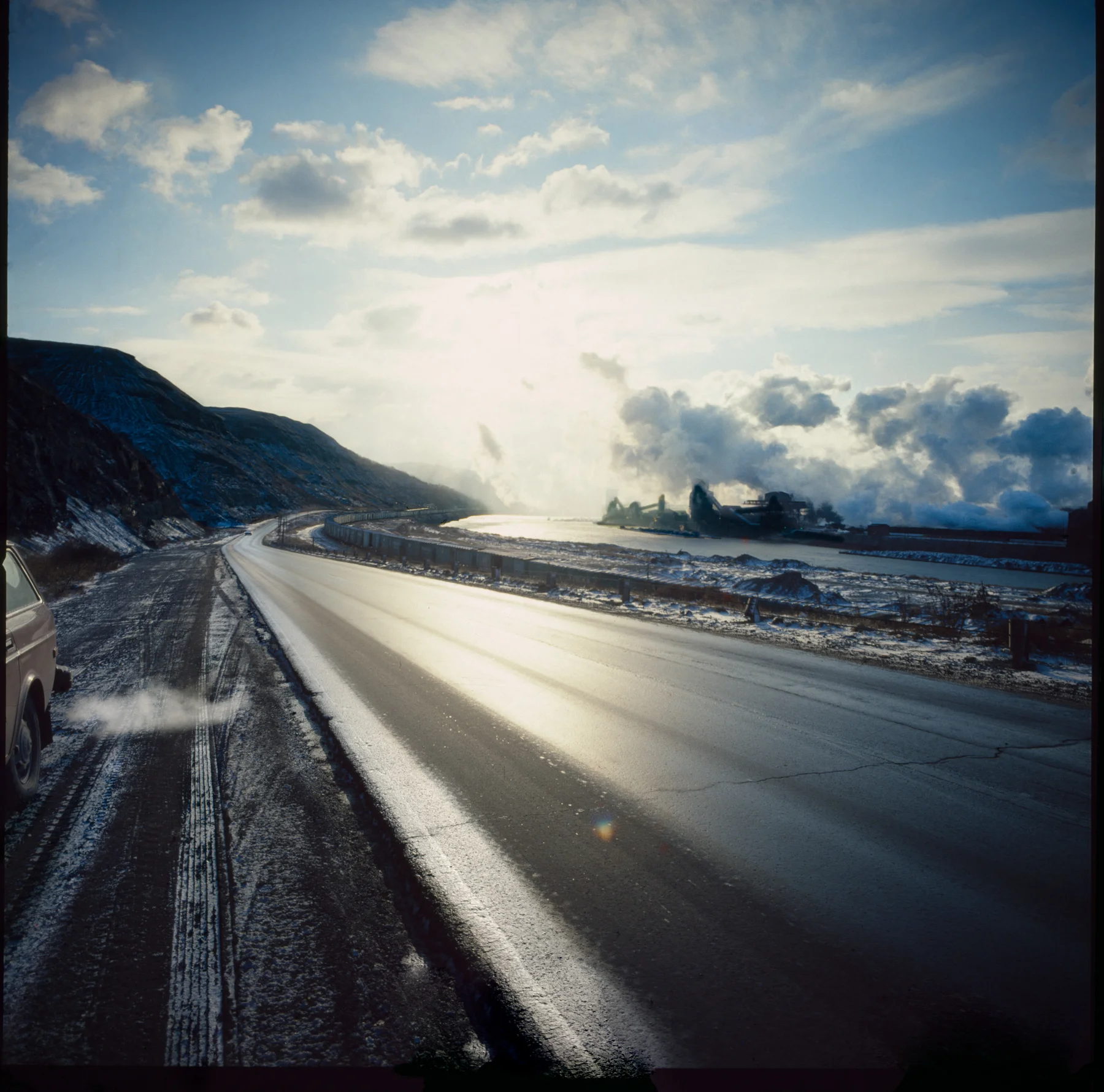
U.S.Steel Clairton Coke Works, 1977
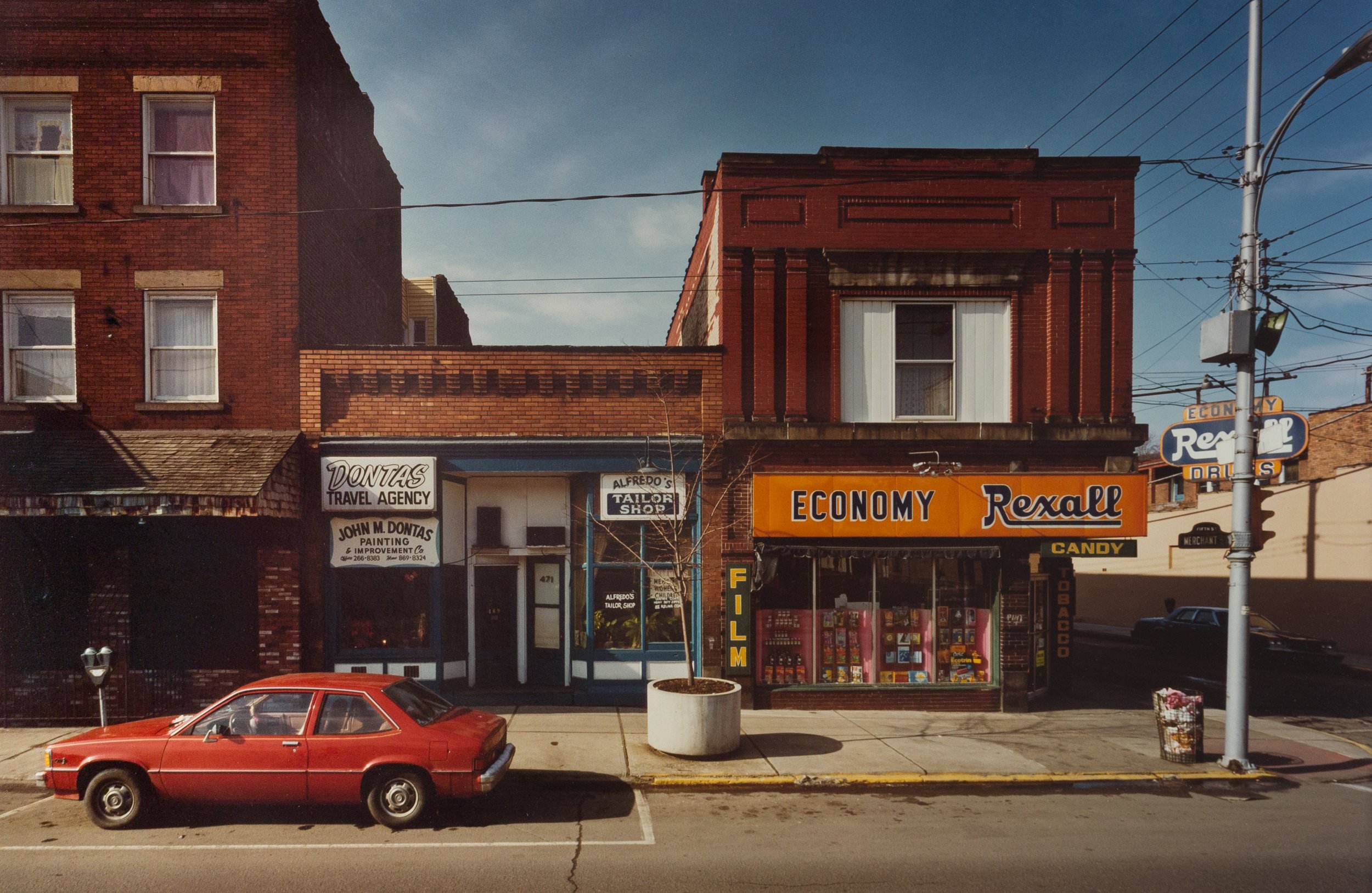
Pharmacy, Western Pennsylvania, 1980
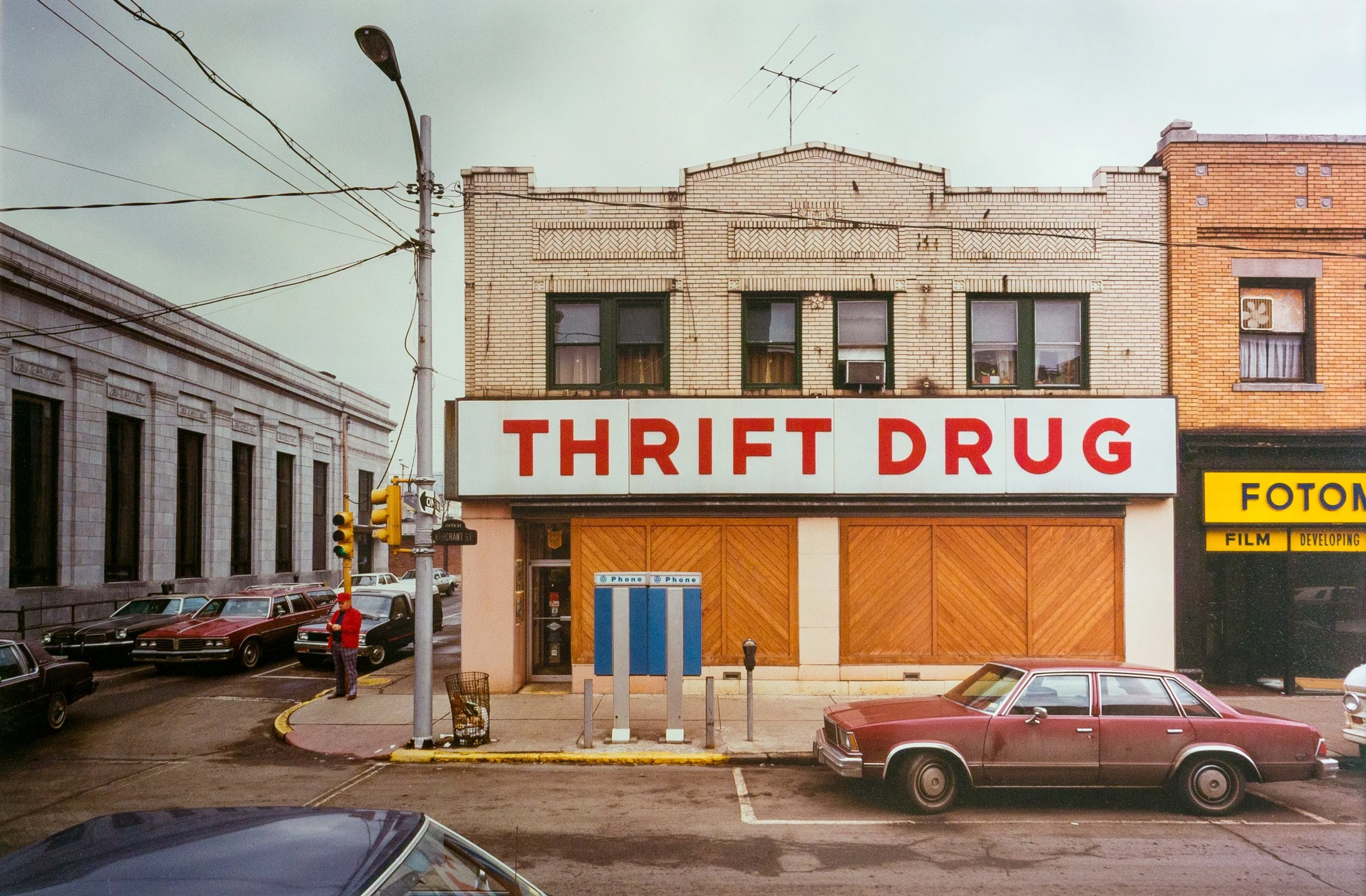
Western Pennsylvania, 1982
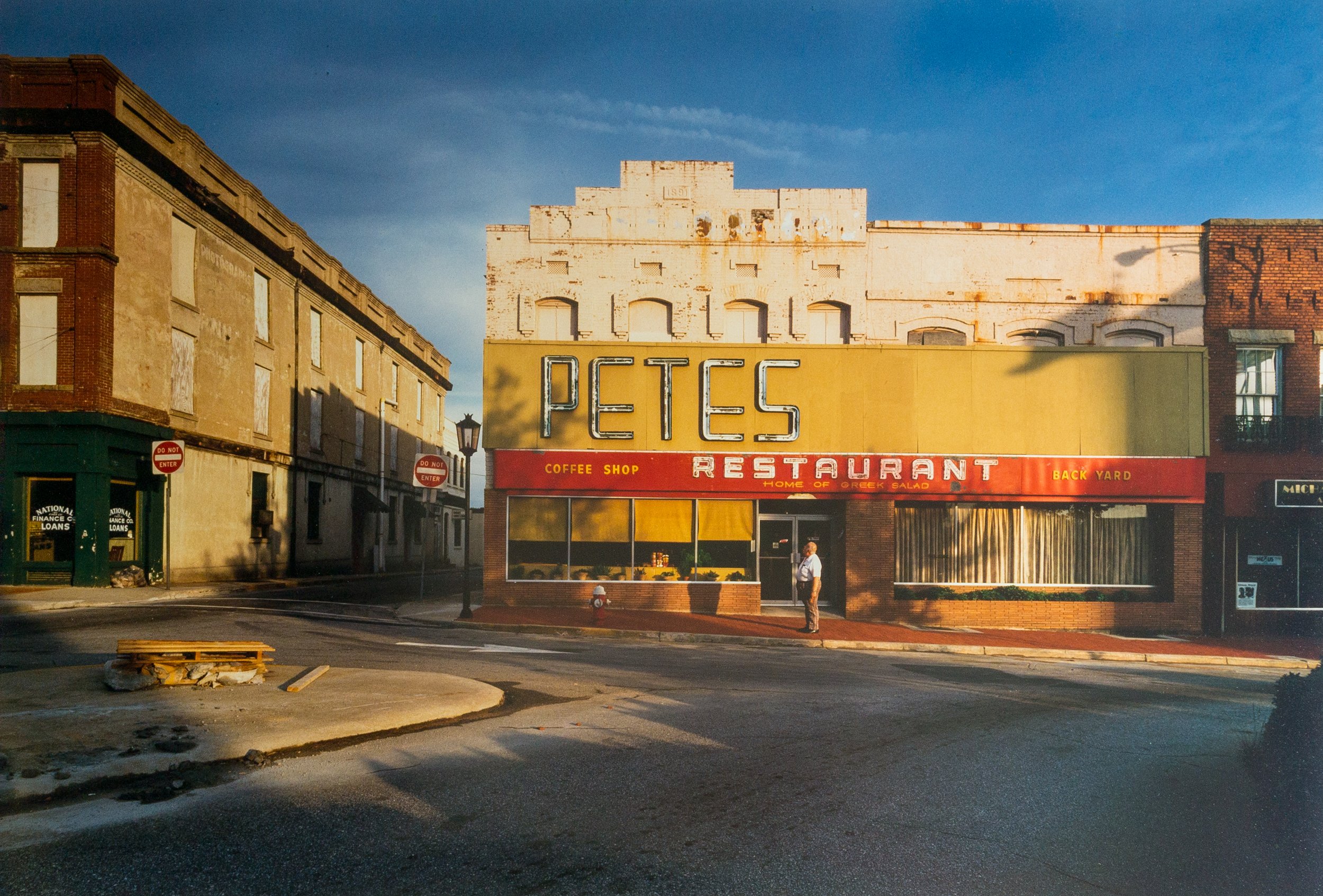
Spartanburg, South Carolina, 1982
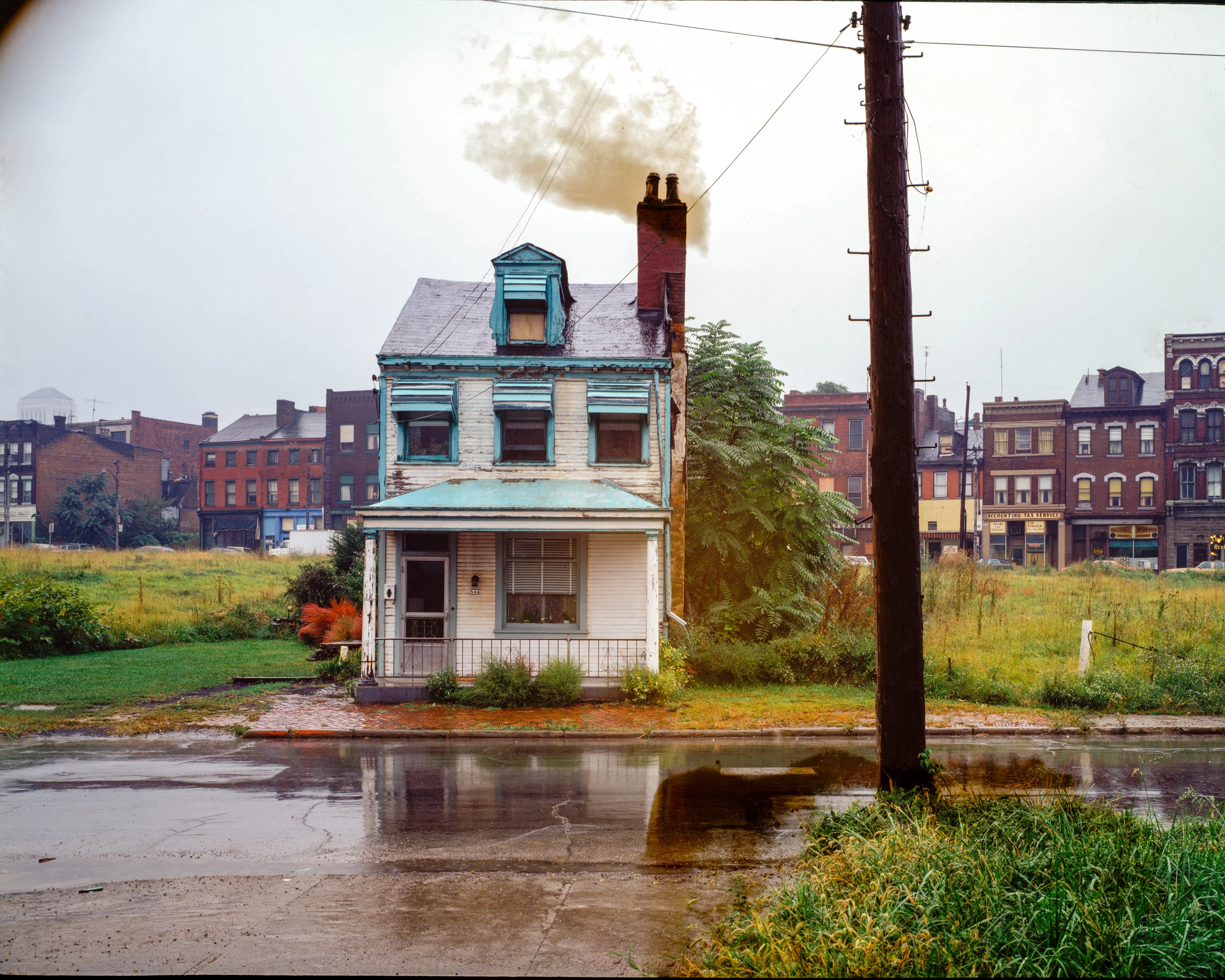
North Side of Pittsburgh, 1977
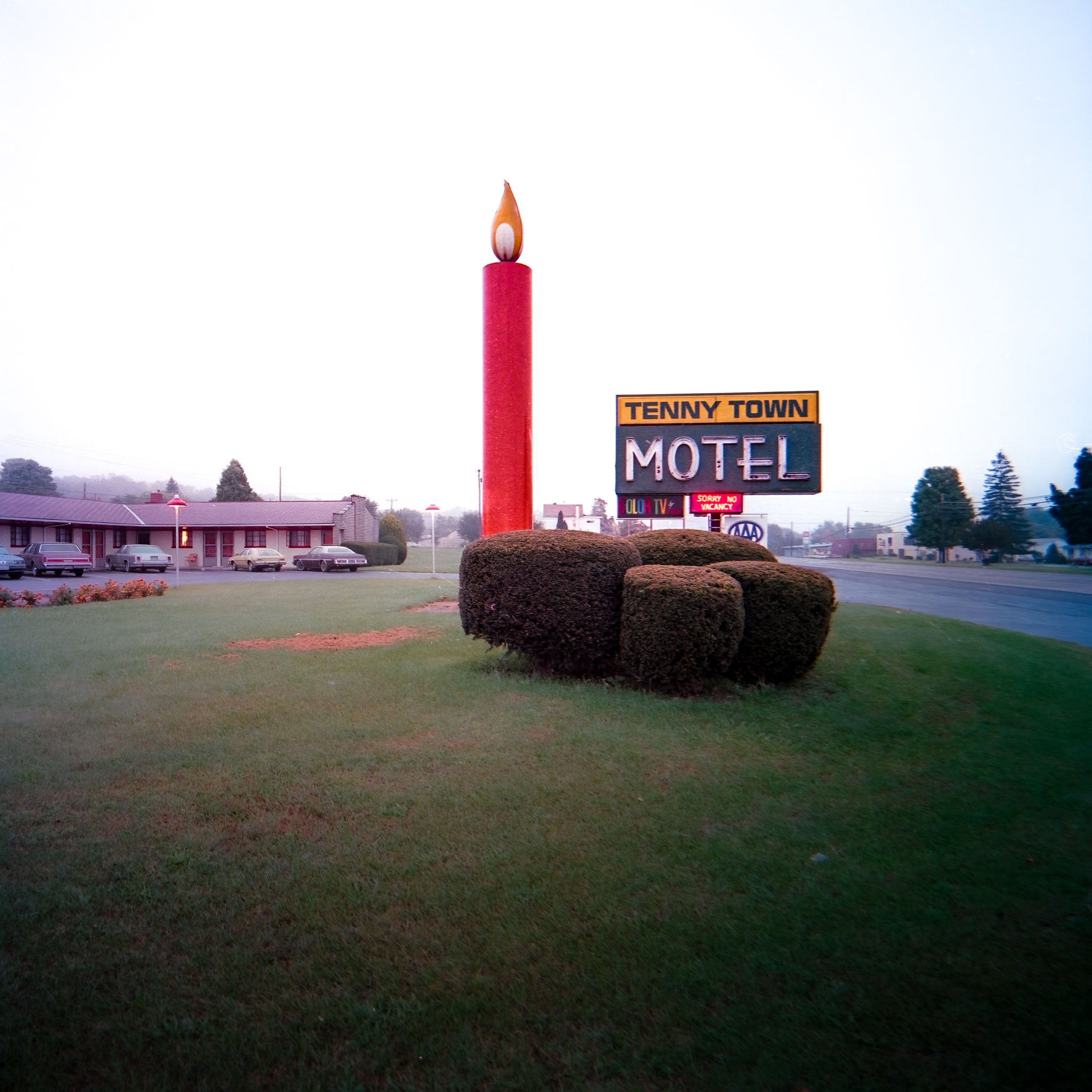
Tenny Town Motel, 1982
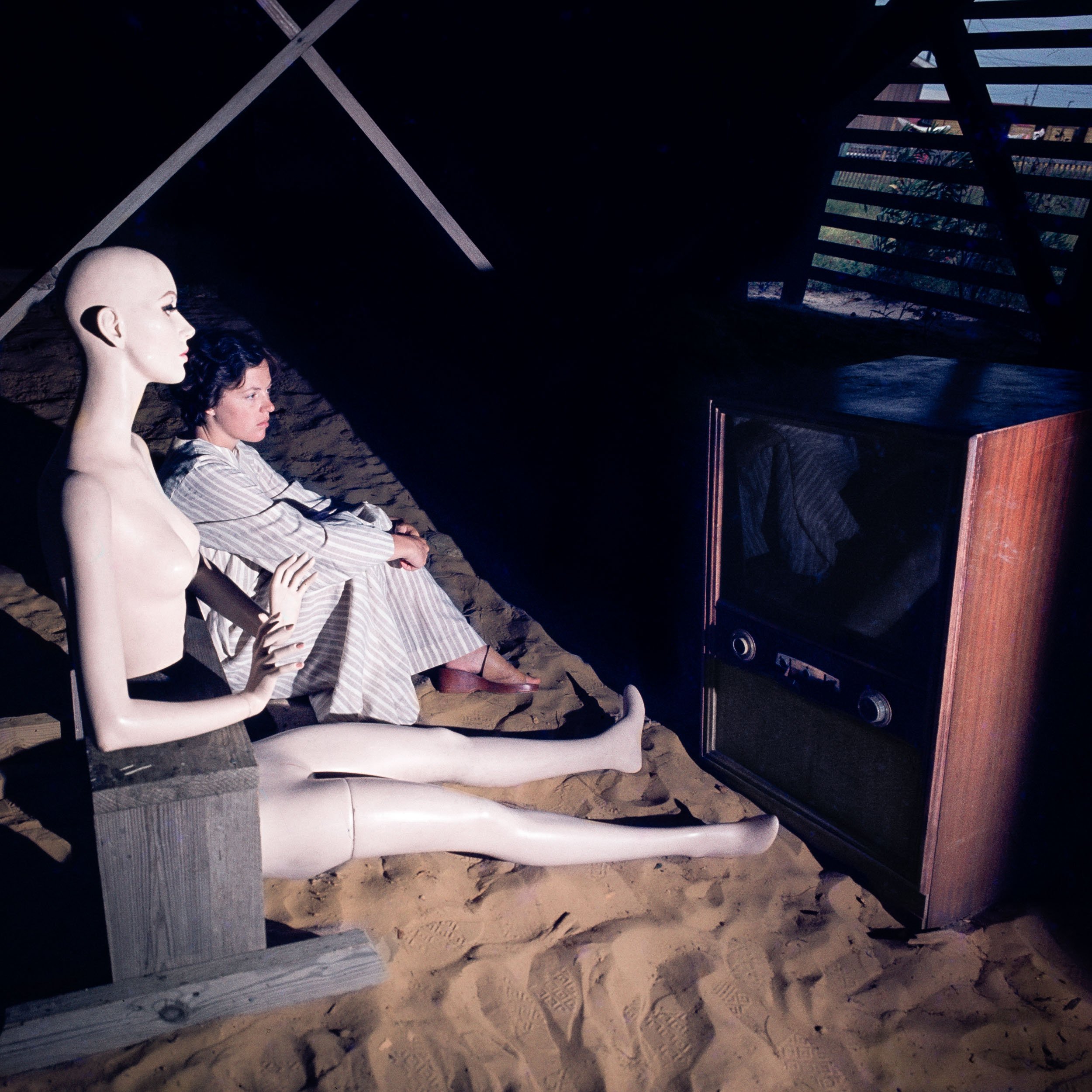
Traveling with a Mannequin, Nags Head, North Carolina, 1975
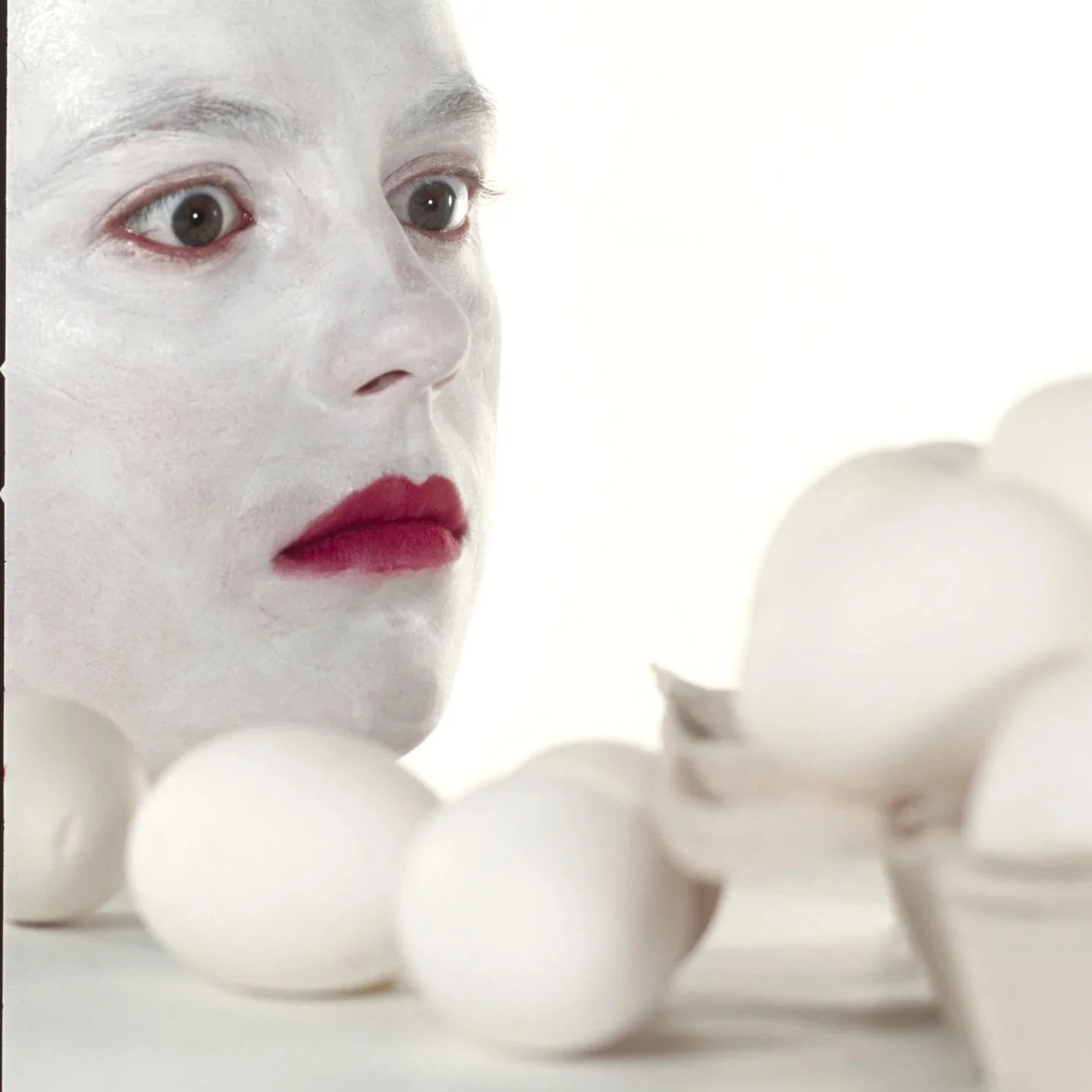
Lynn, 1976
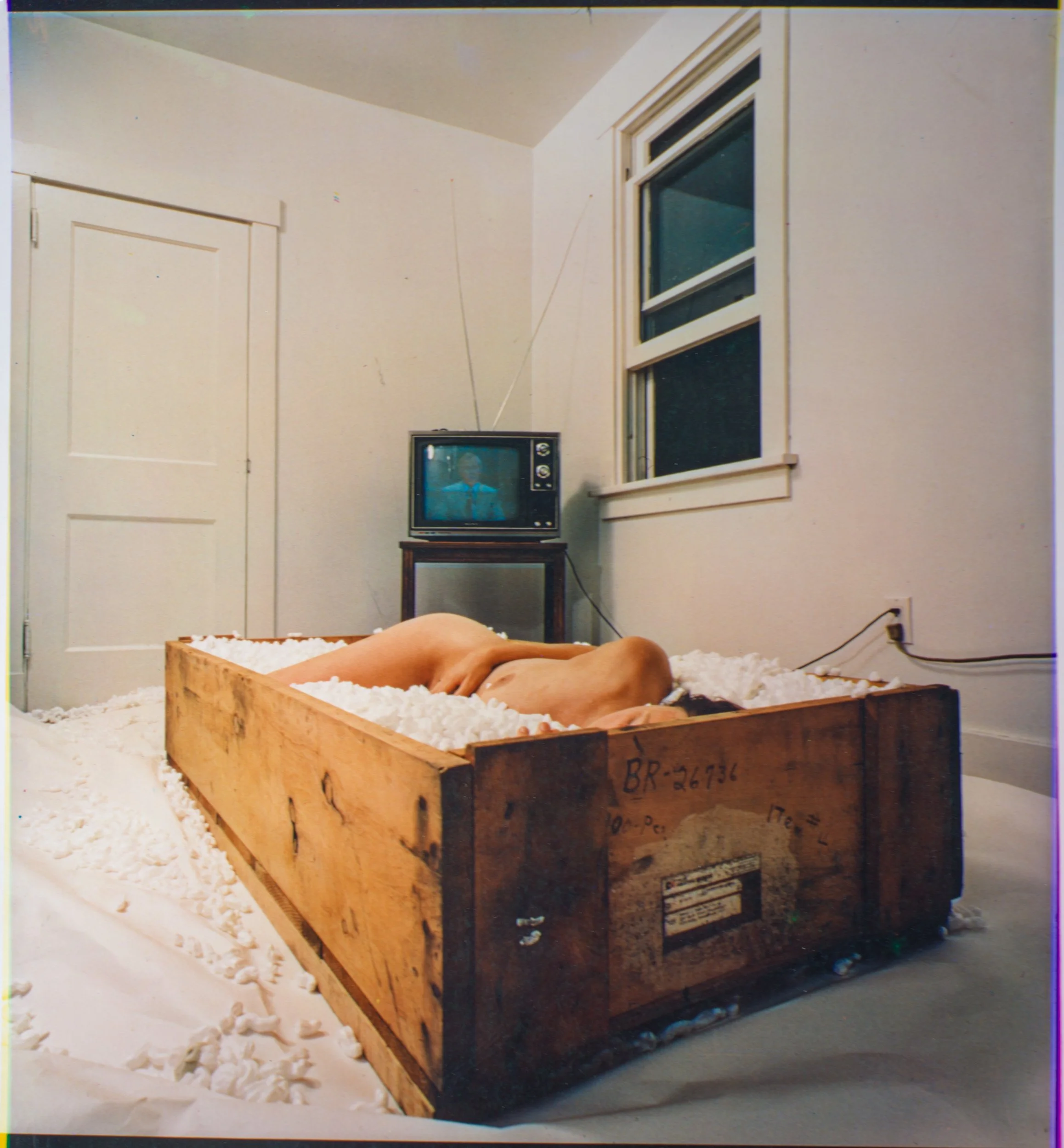
Lynn, 1975, original dye transfer print
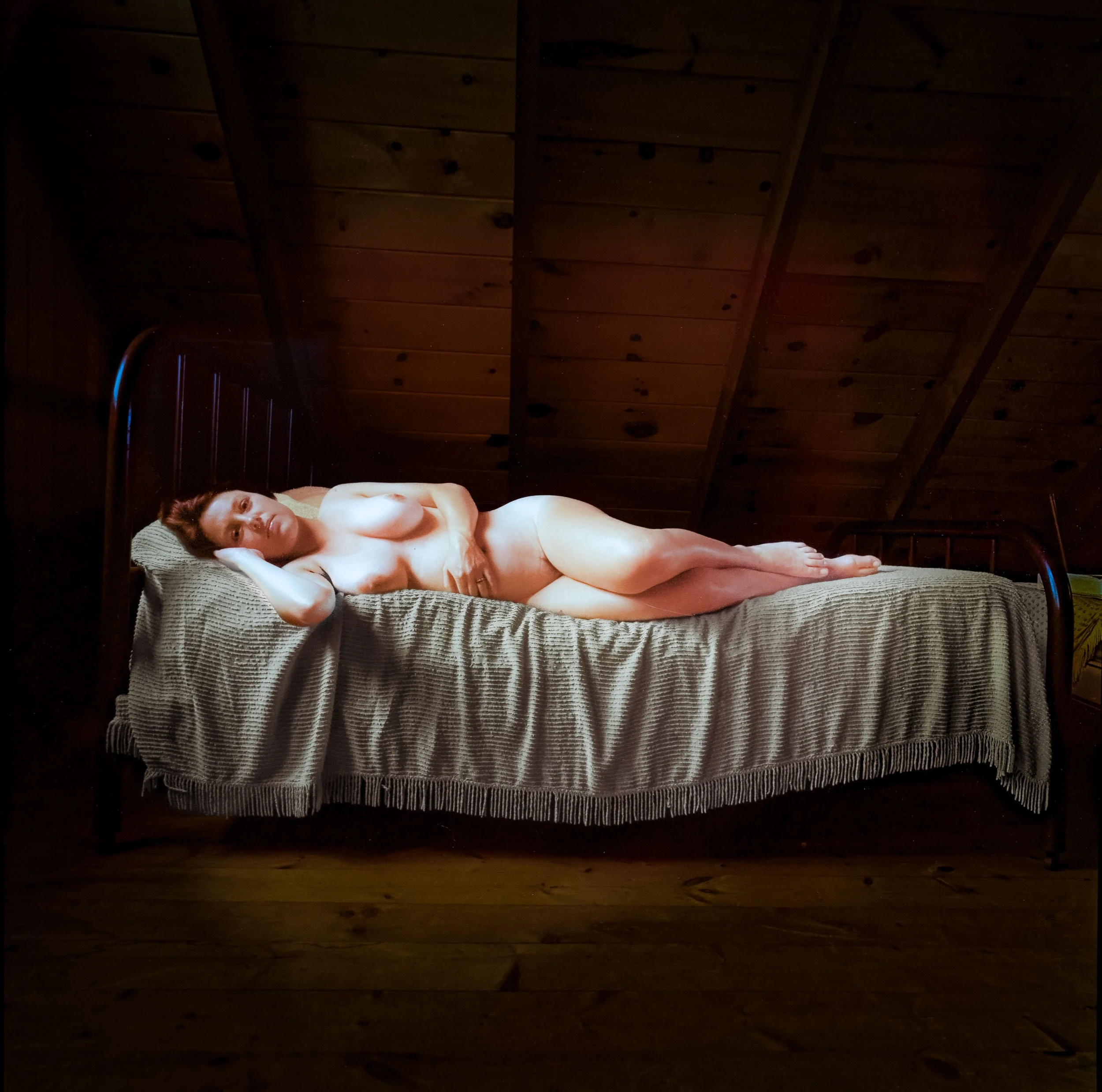
Lynn, 1976
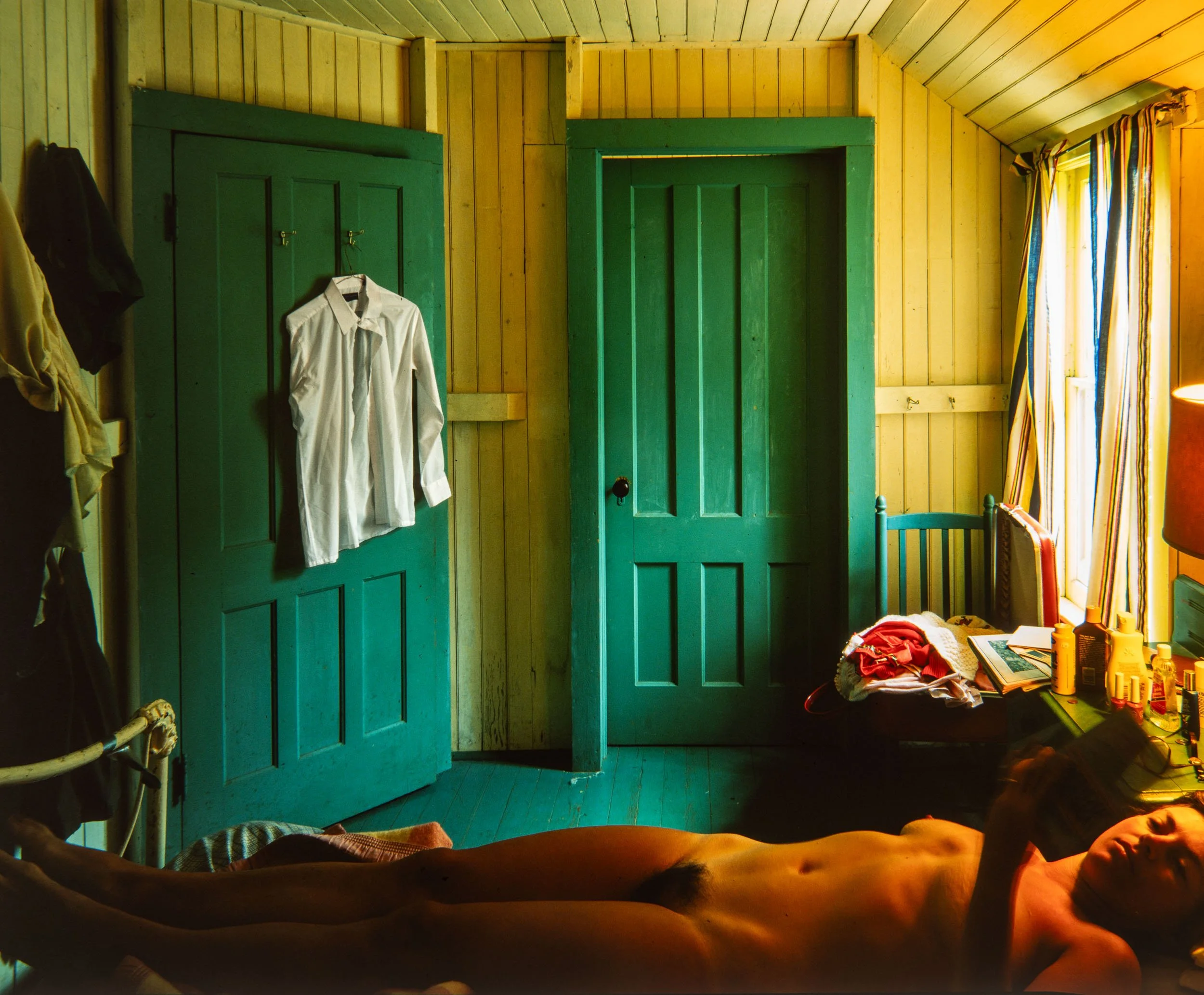
Keuka Lake, 1979
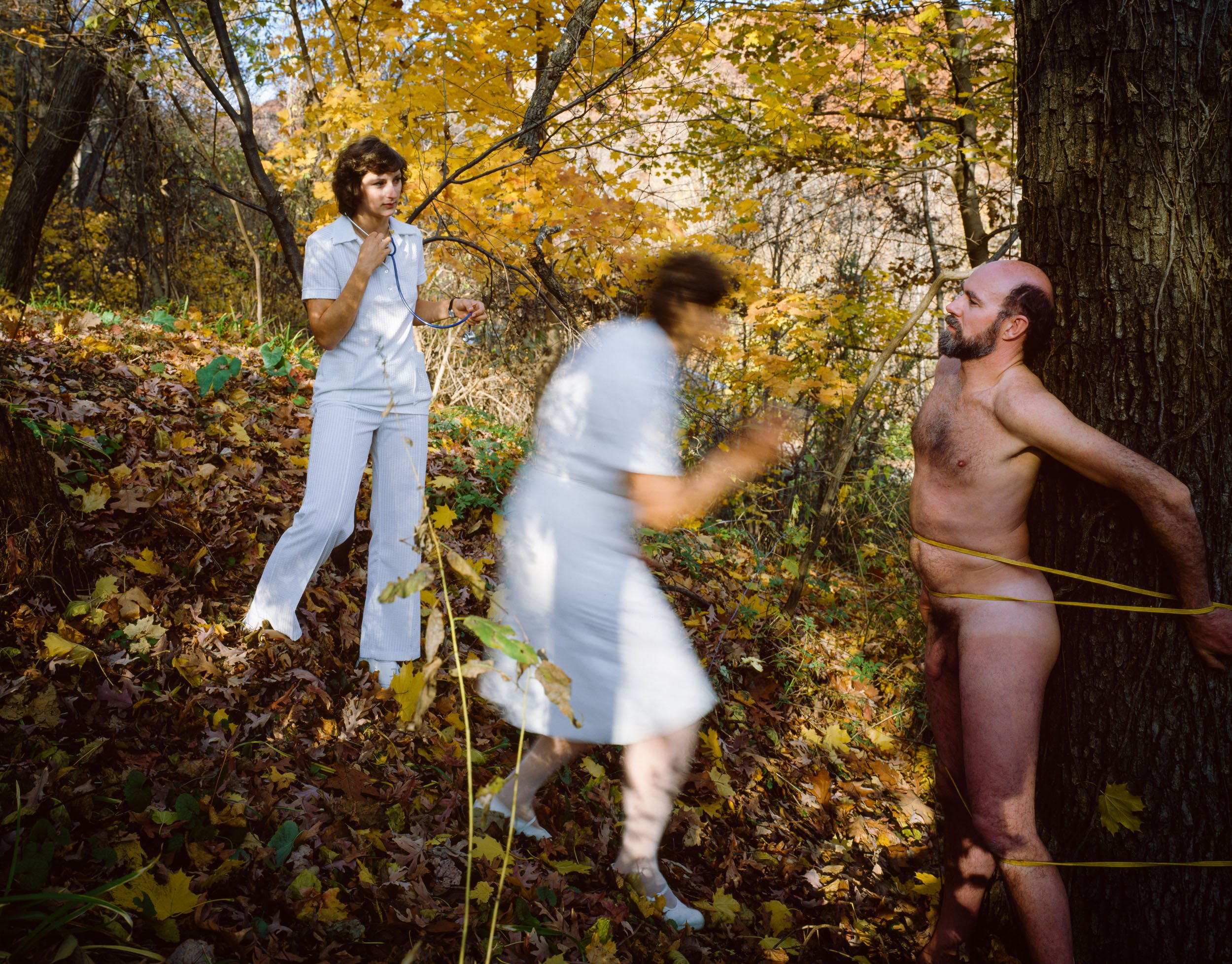
Fall Foliage, Pittsburgh, 1978
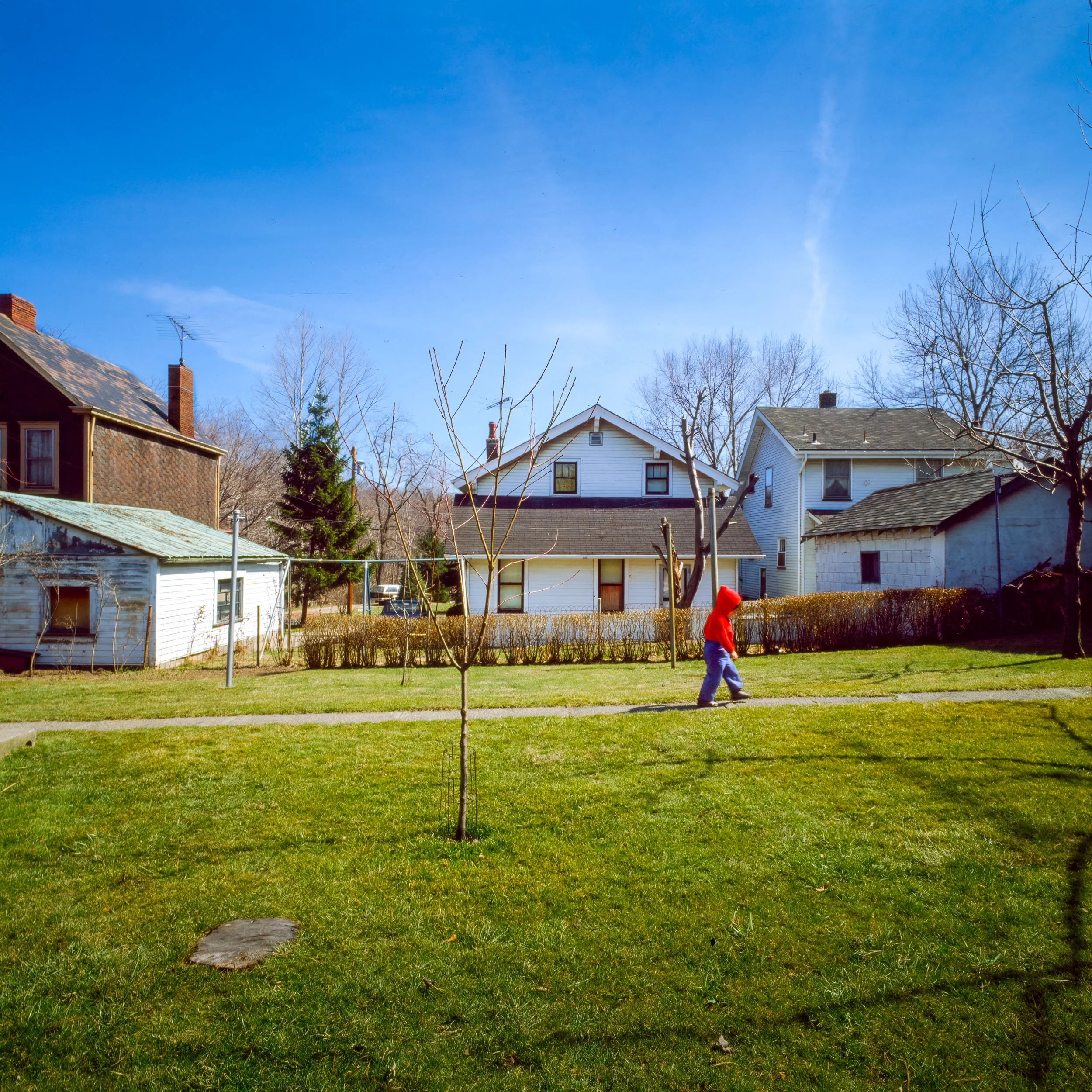
My parents' backyard, Aspinwall, Pennsylvania 1979
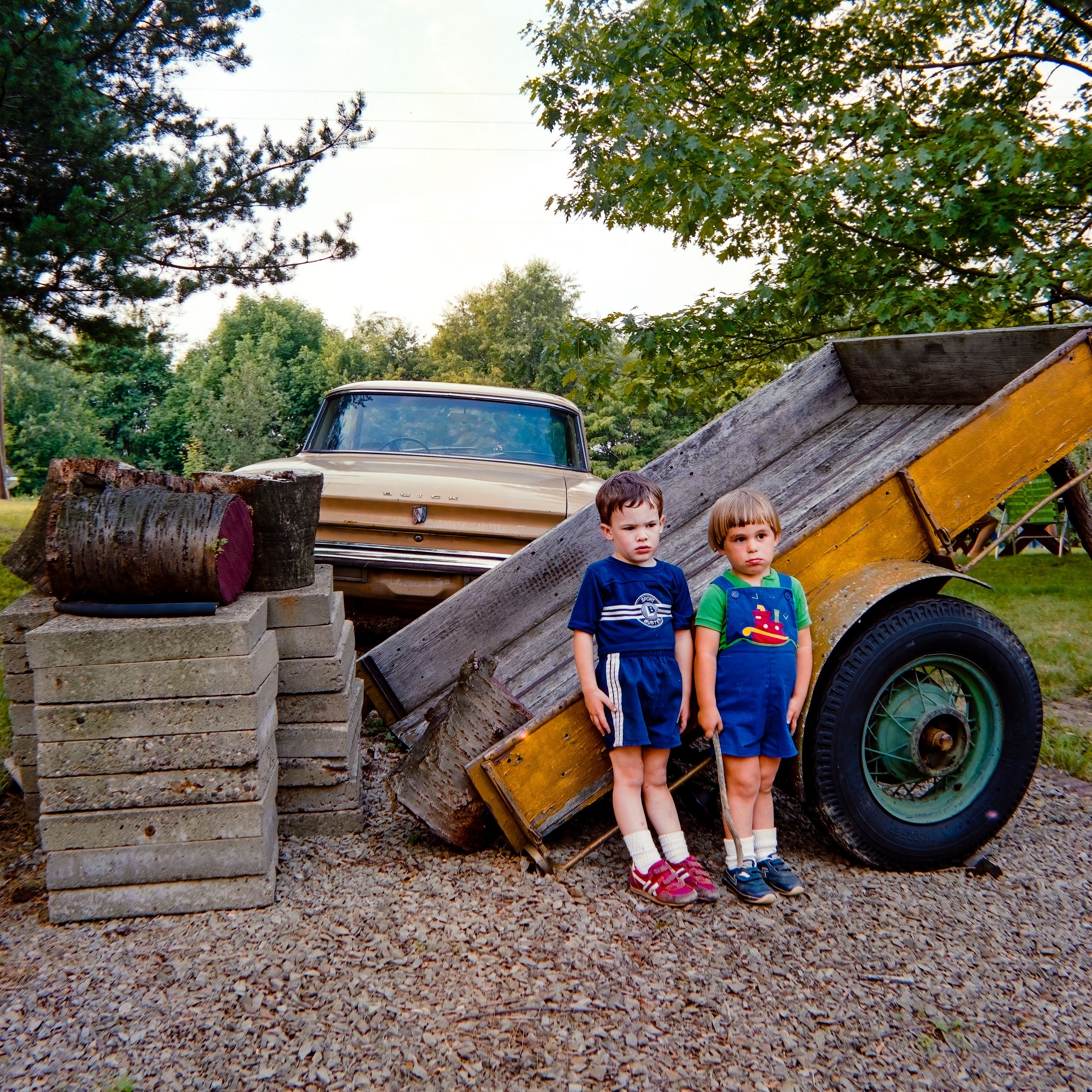
Clairton Gun and Rod Club, 1984
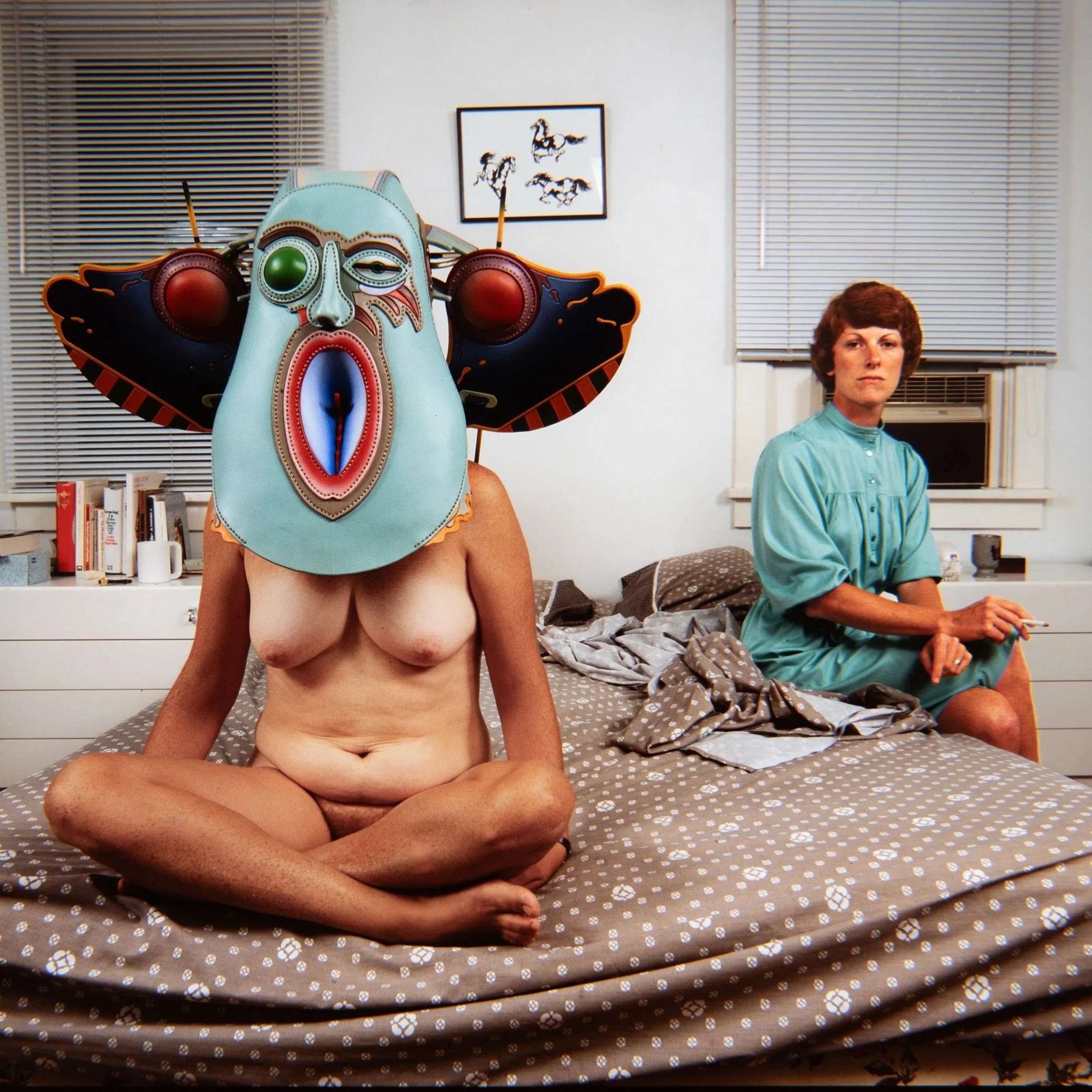
Neighbors, 1978
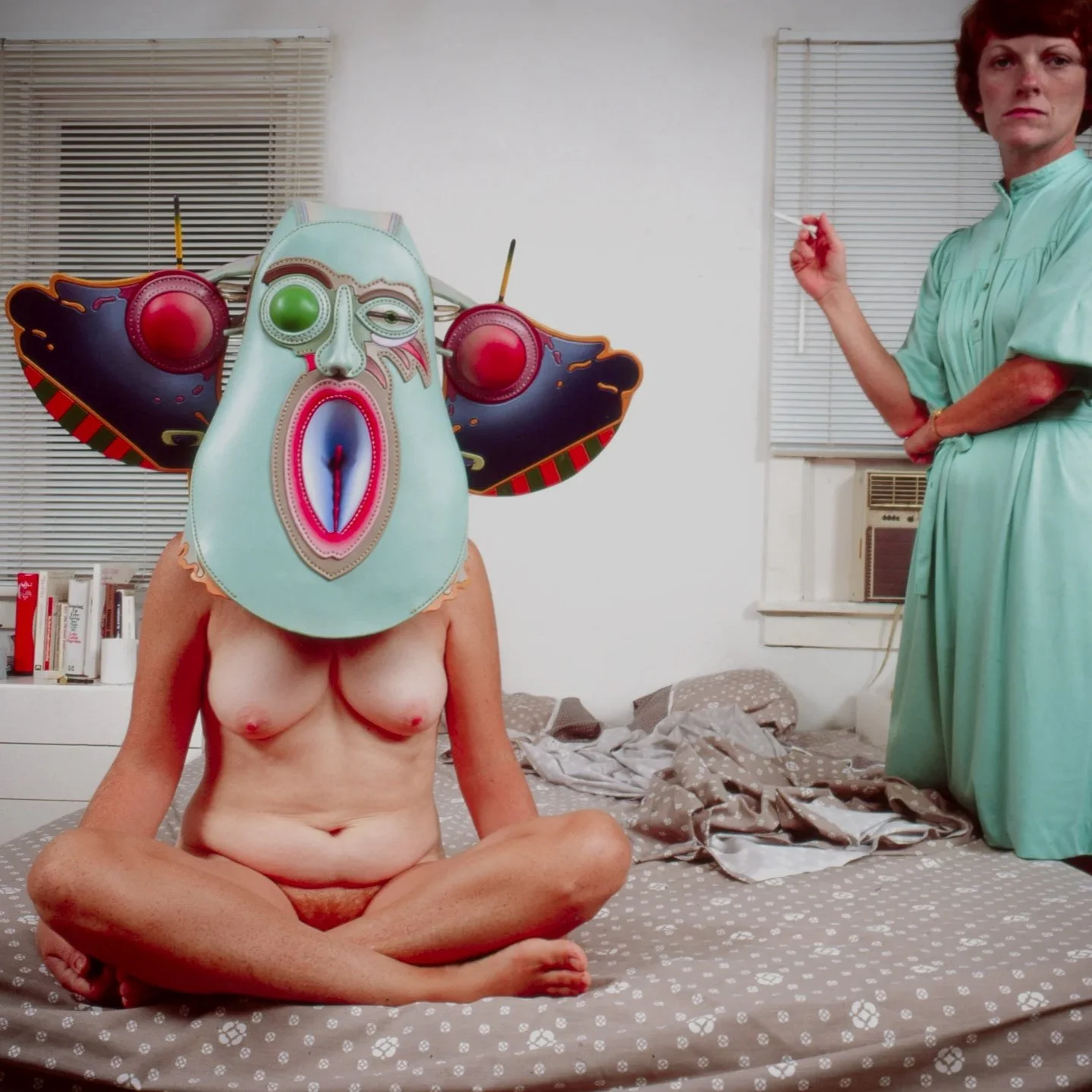
Neighbors, 1978
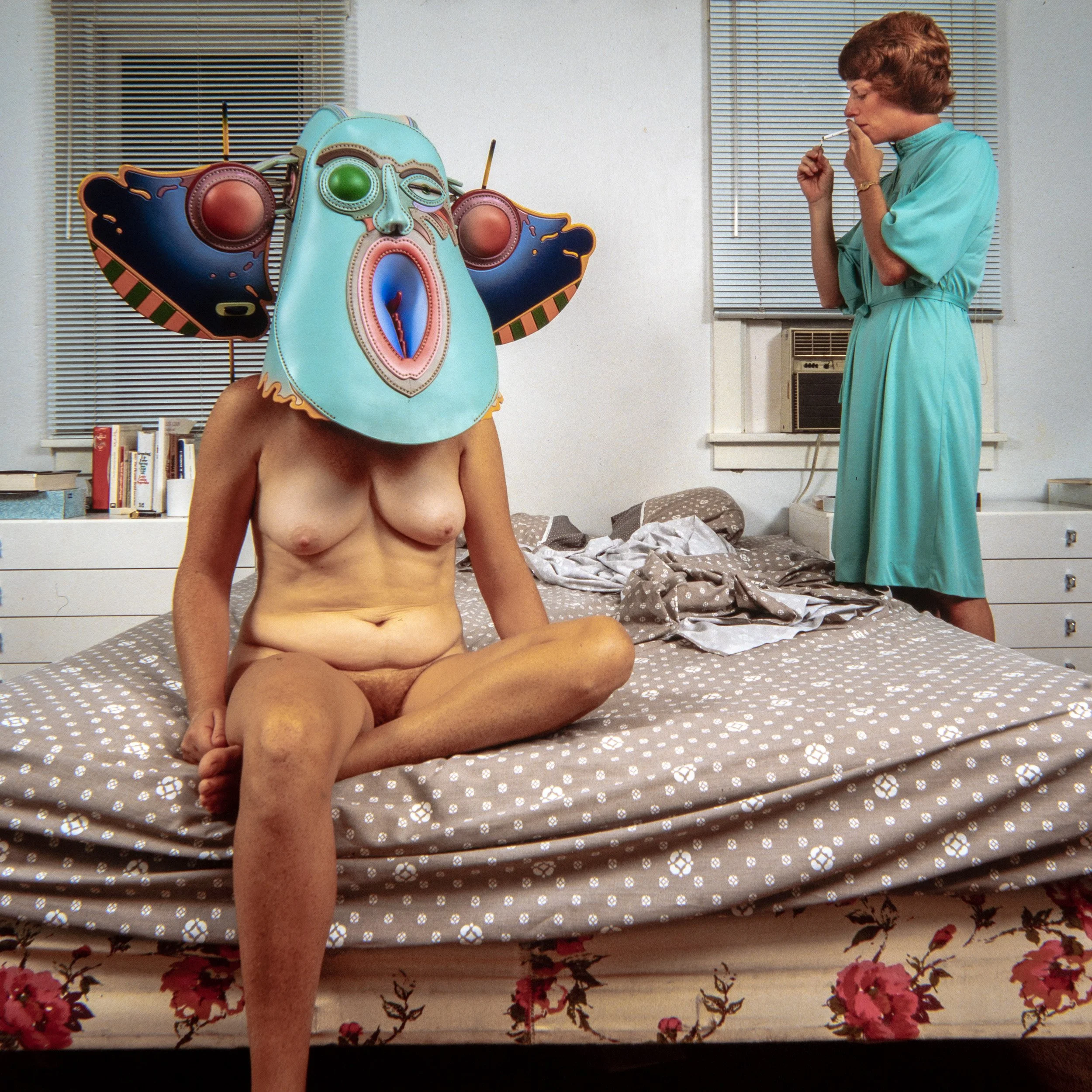
Neighbors, 1978
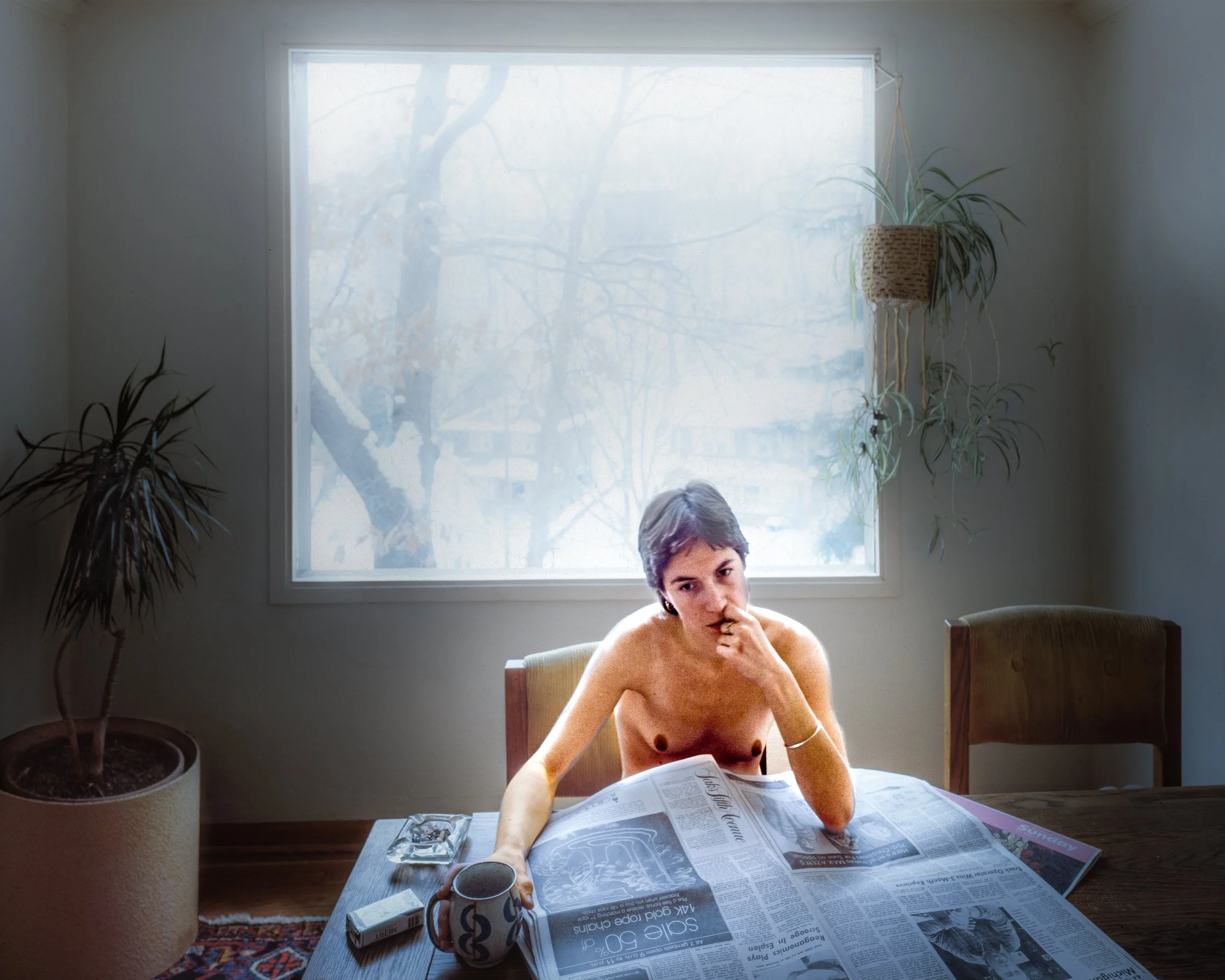
Visiting sister-in-law, 1977
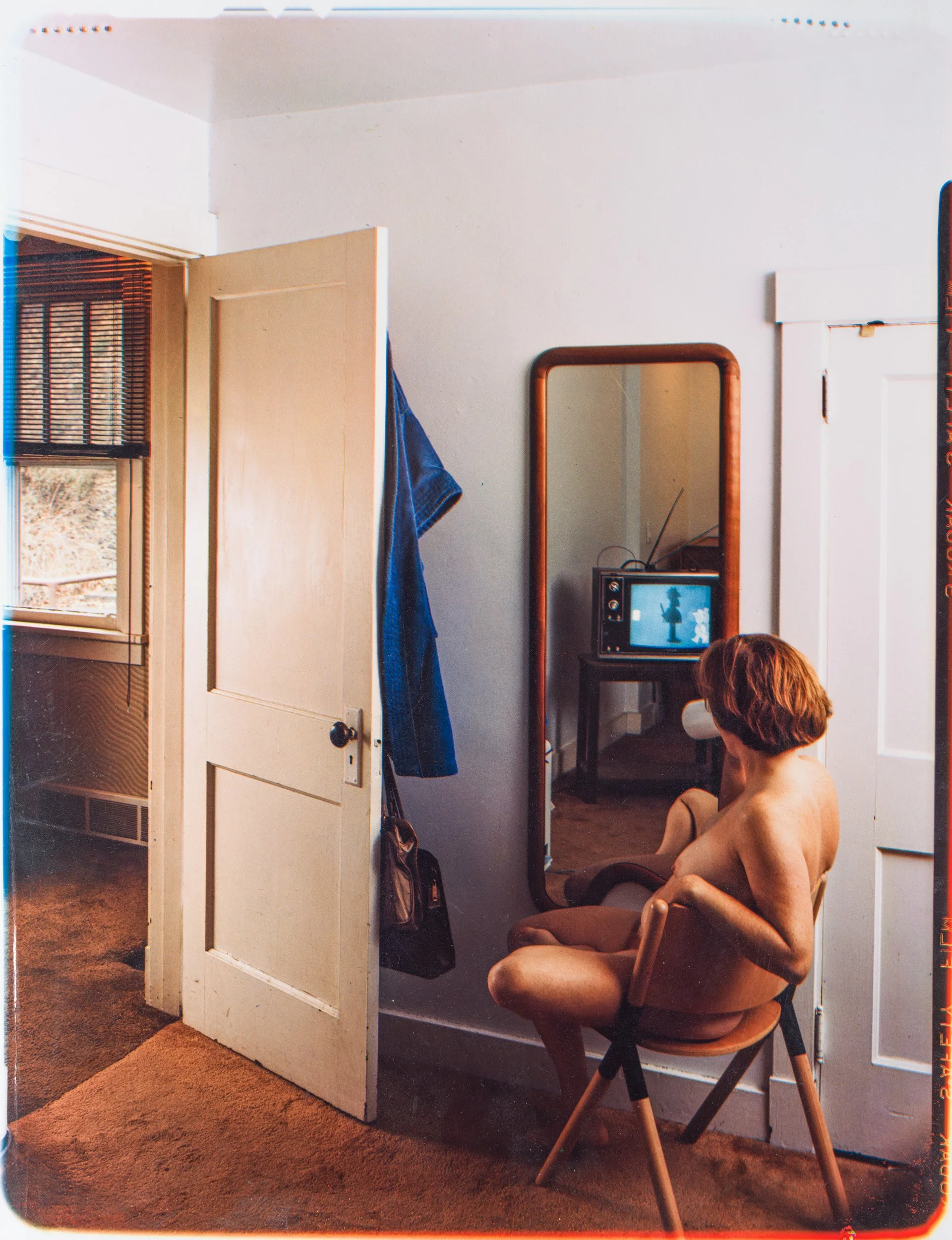
Neighbor, 1980, dye transfer print
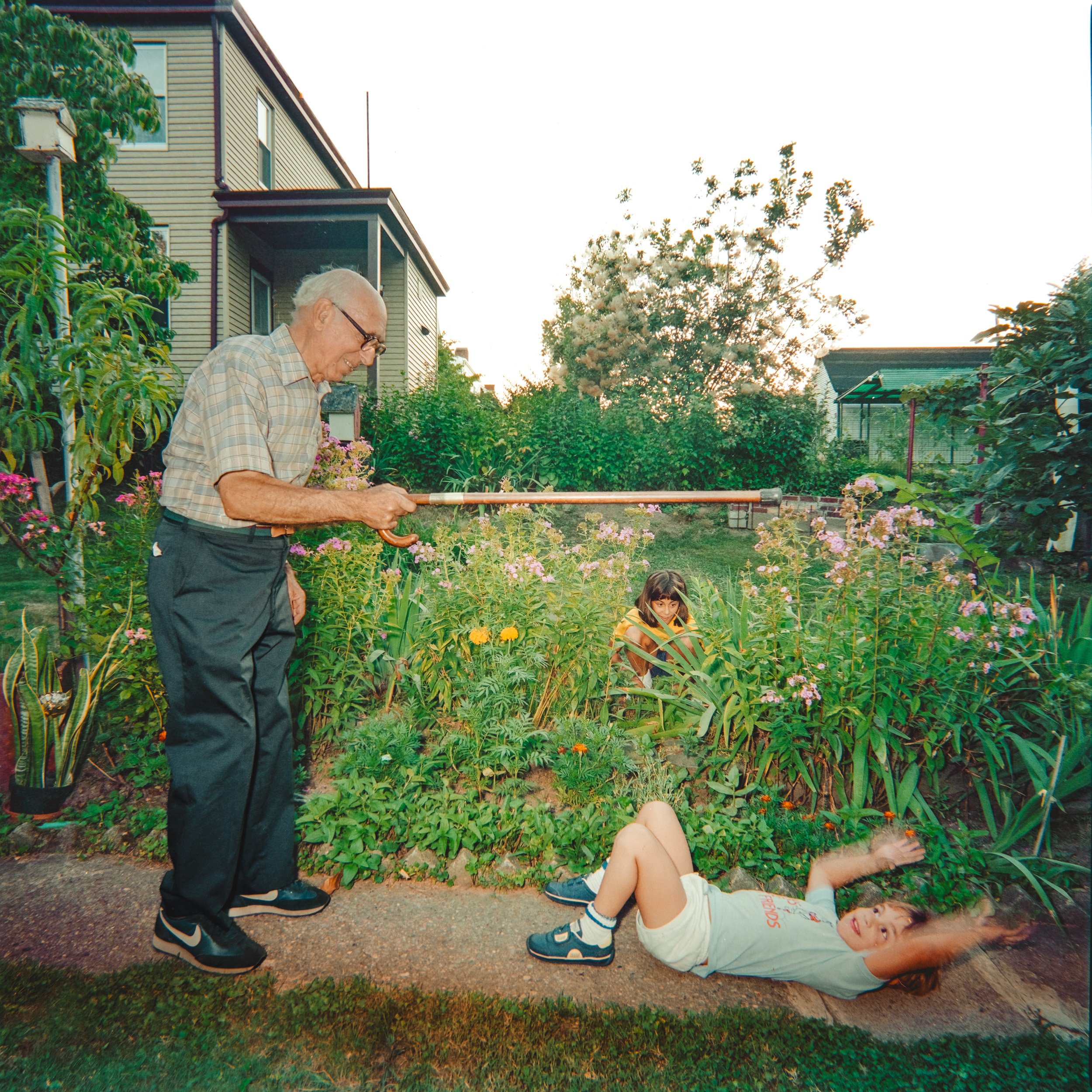
Grandfather, 1984
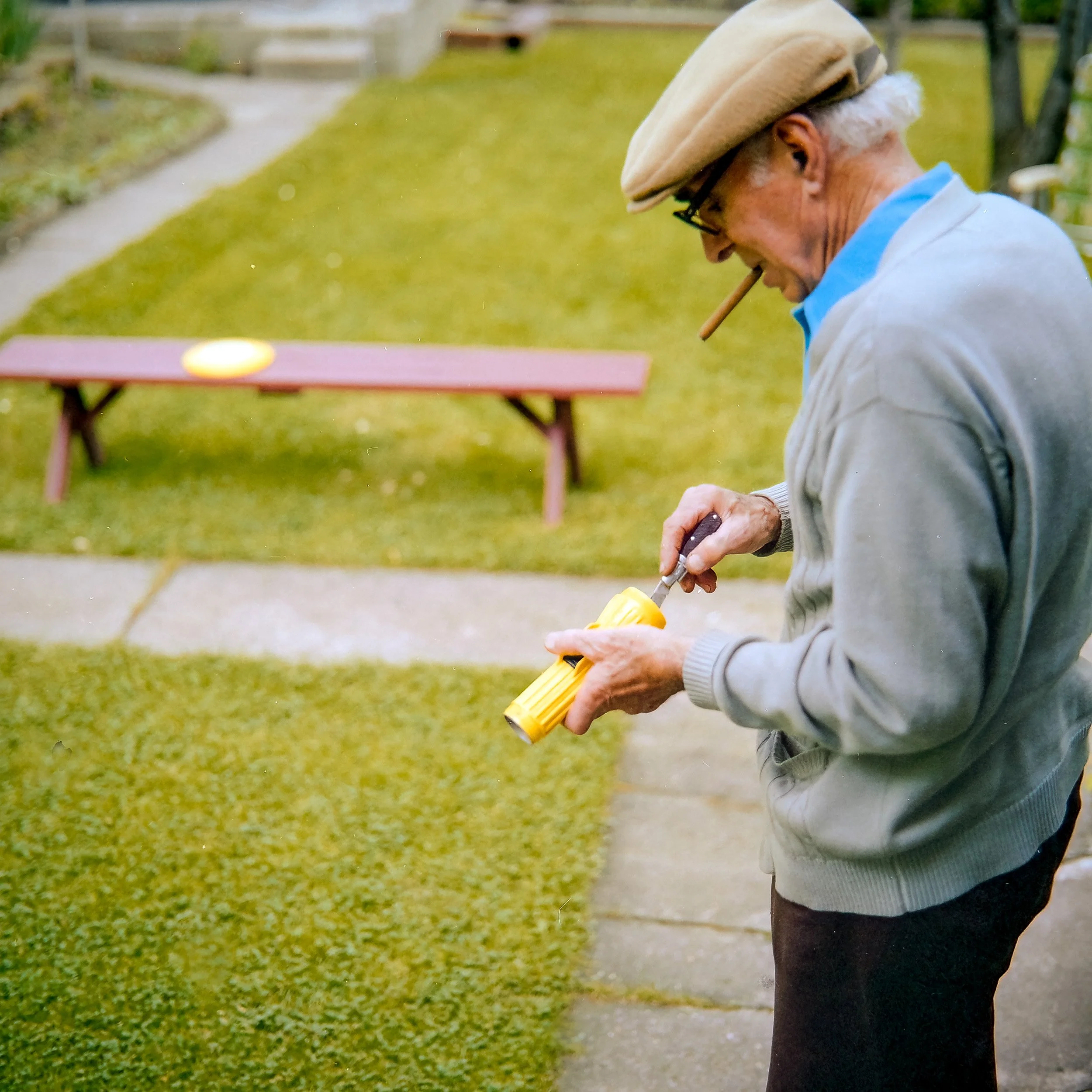
Retirement, 1980
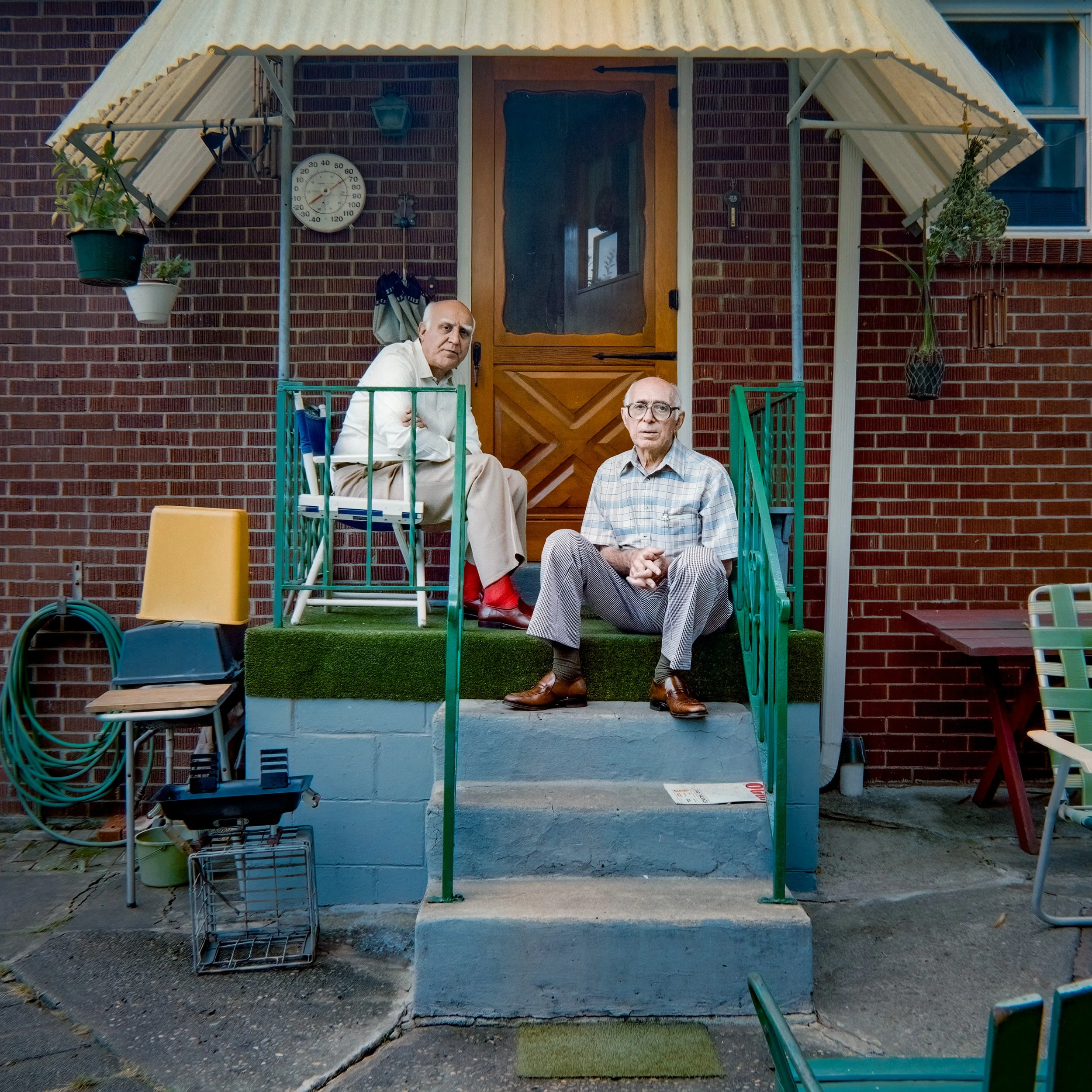
visiting cousin from Latina, 1977
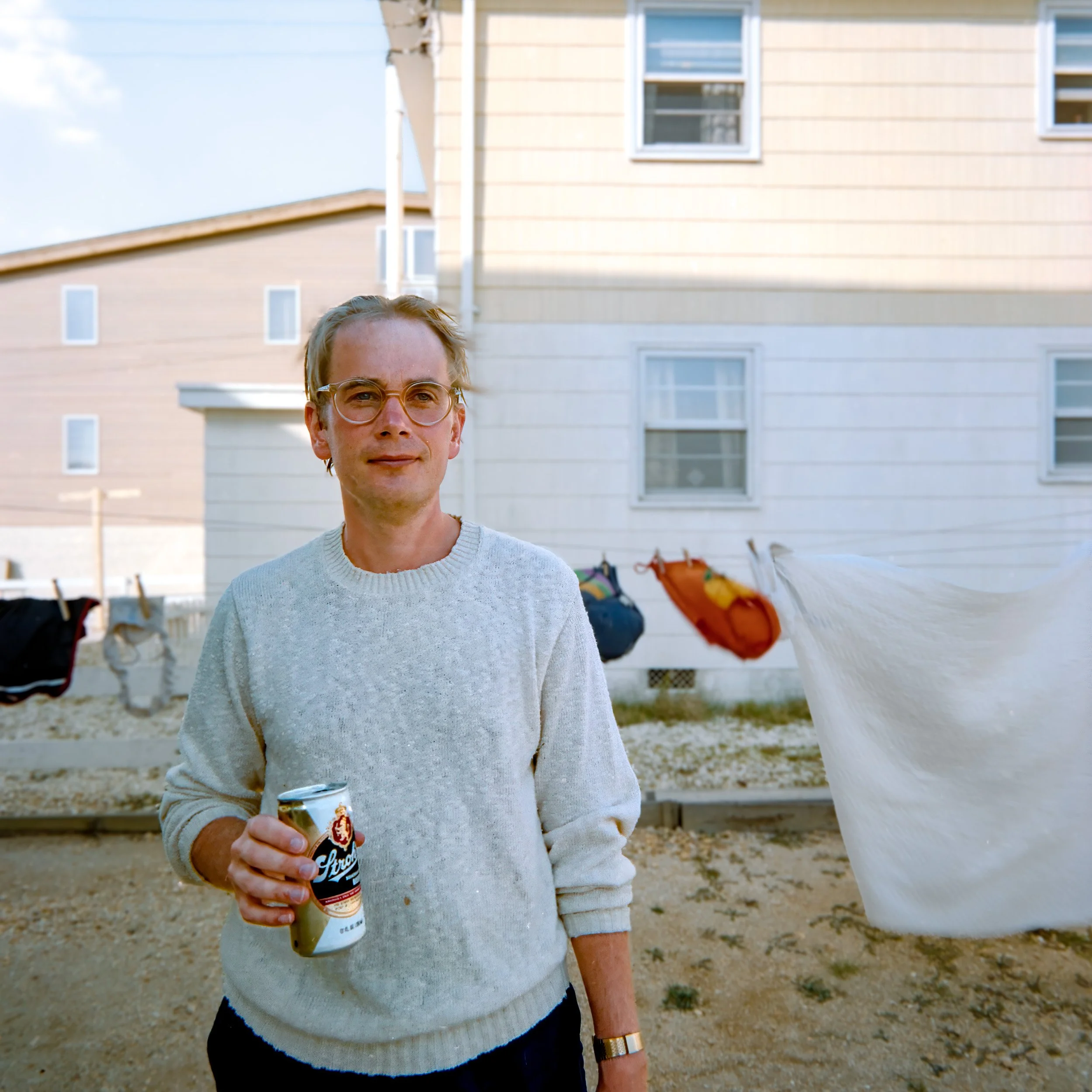
New Jersey Shore, 1982
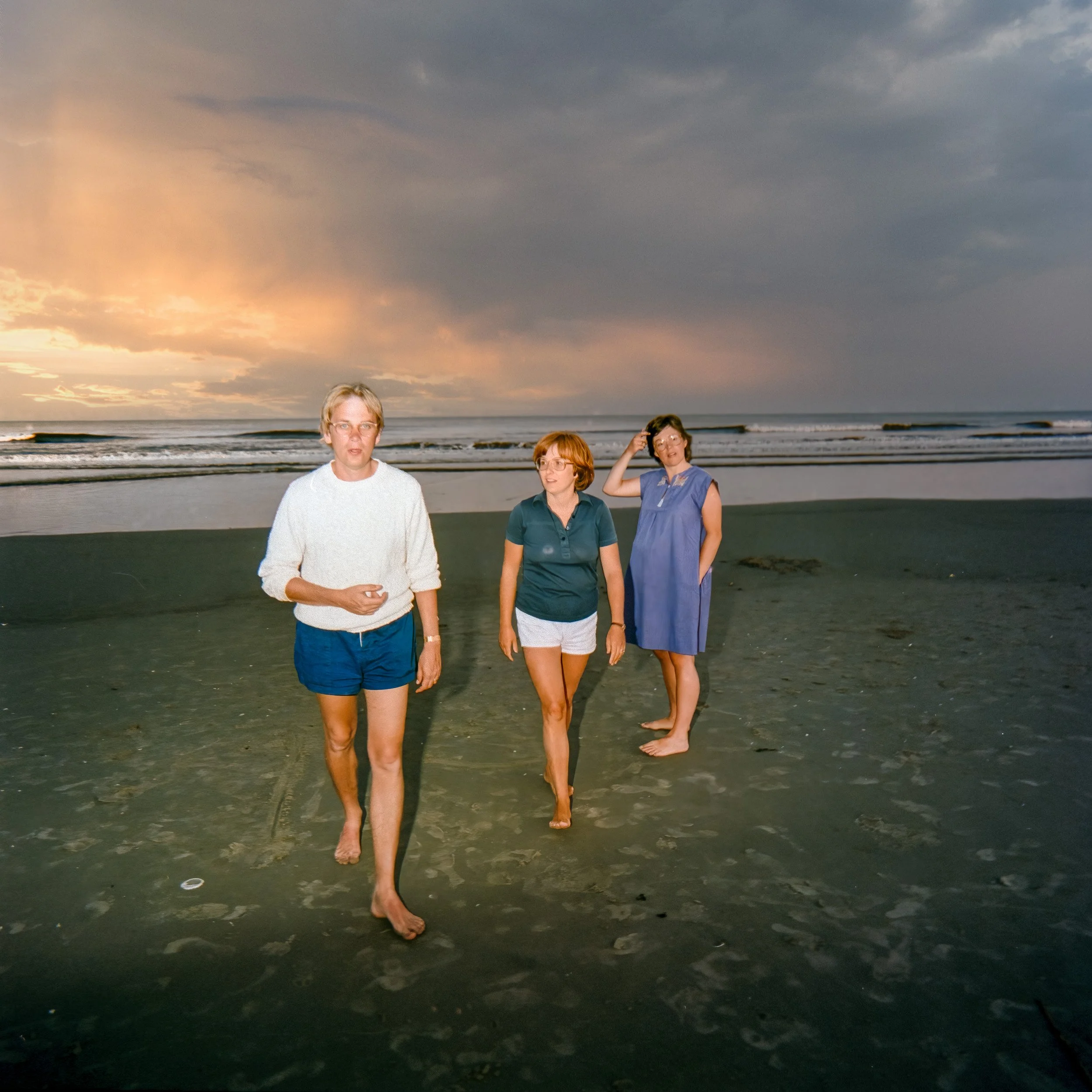
New Jersey Shore, 1982
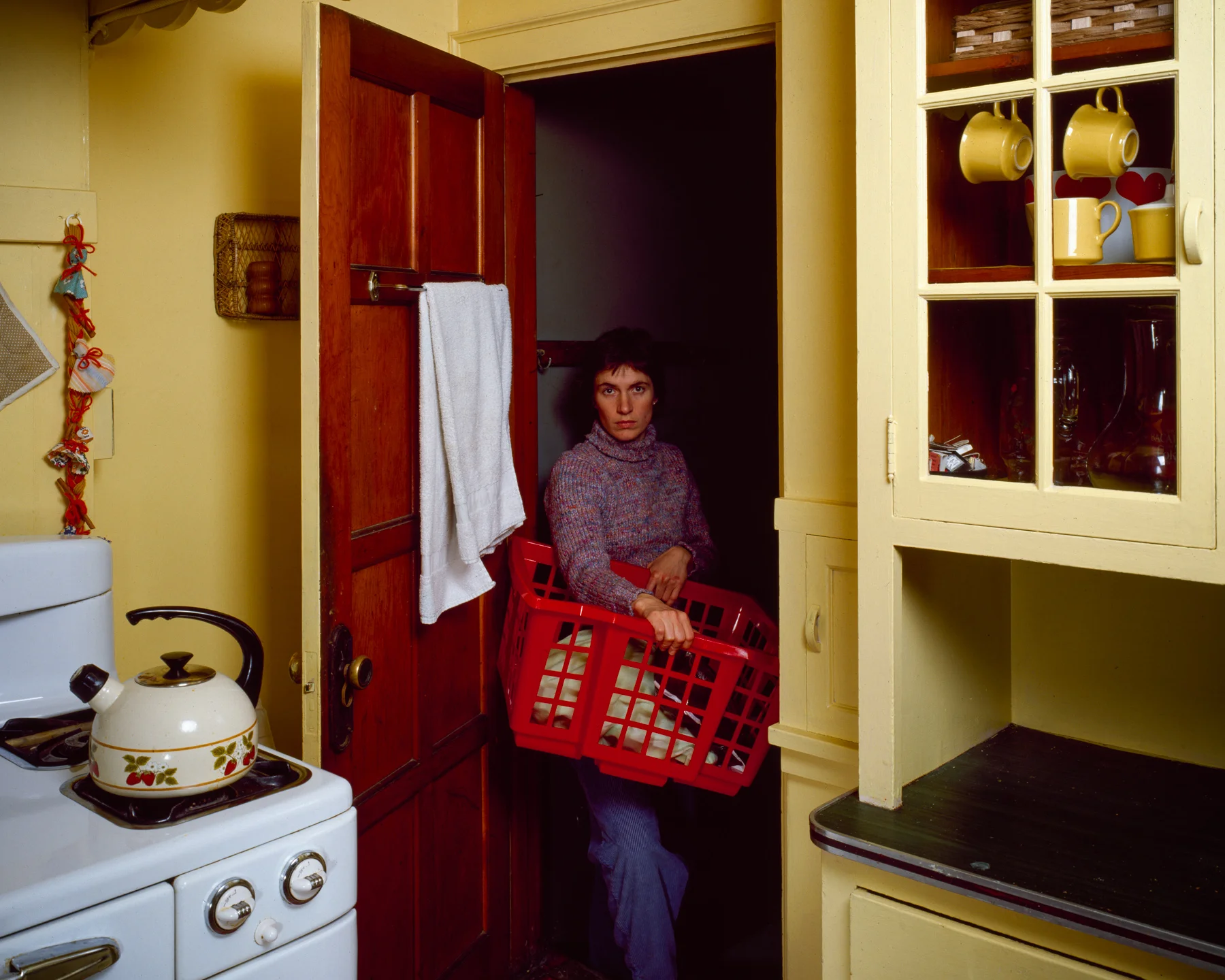
Laundry Day, 1978
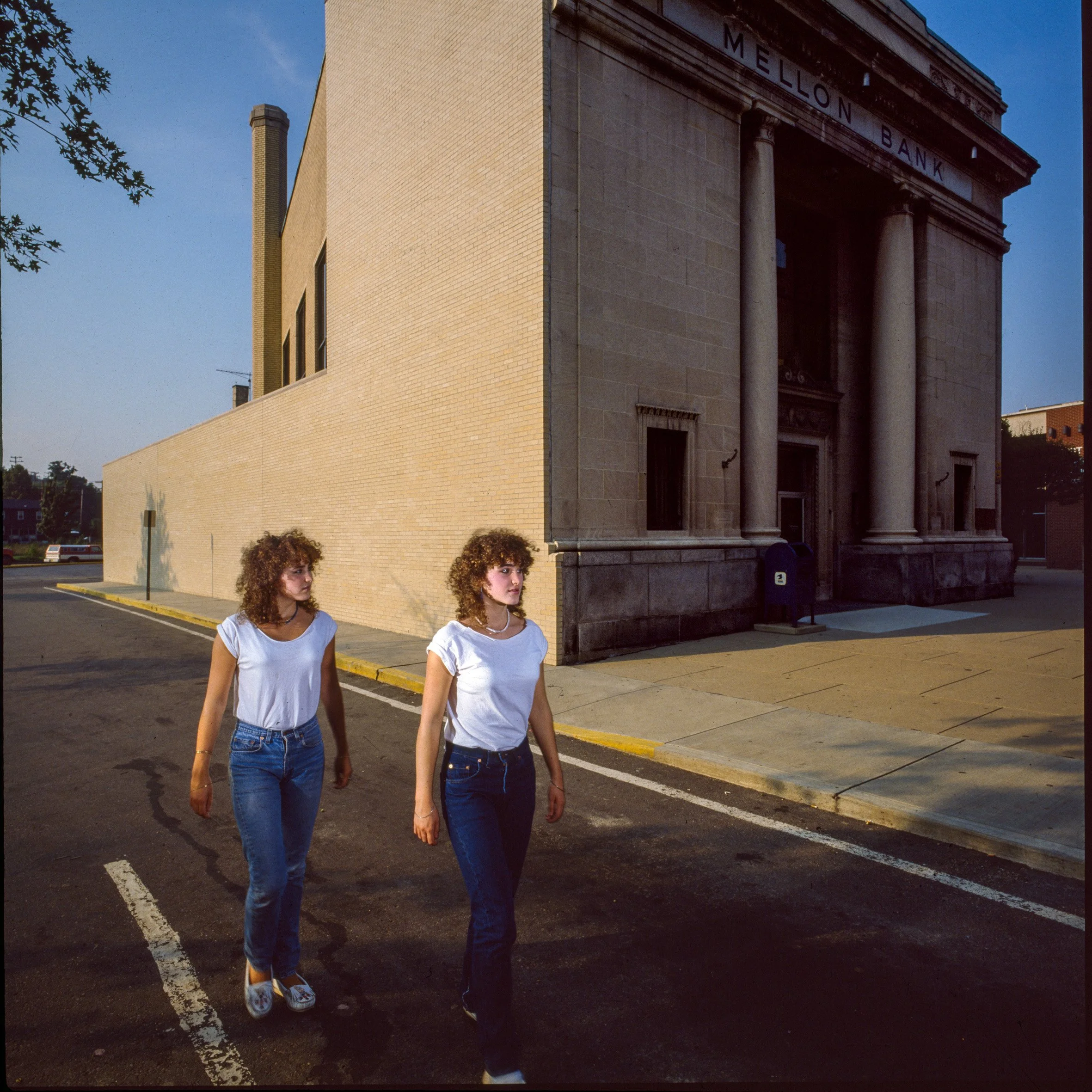
Banking and Architecture, 1982
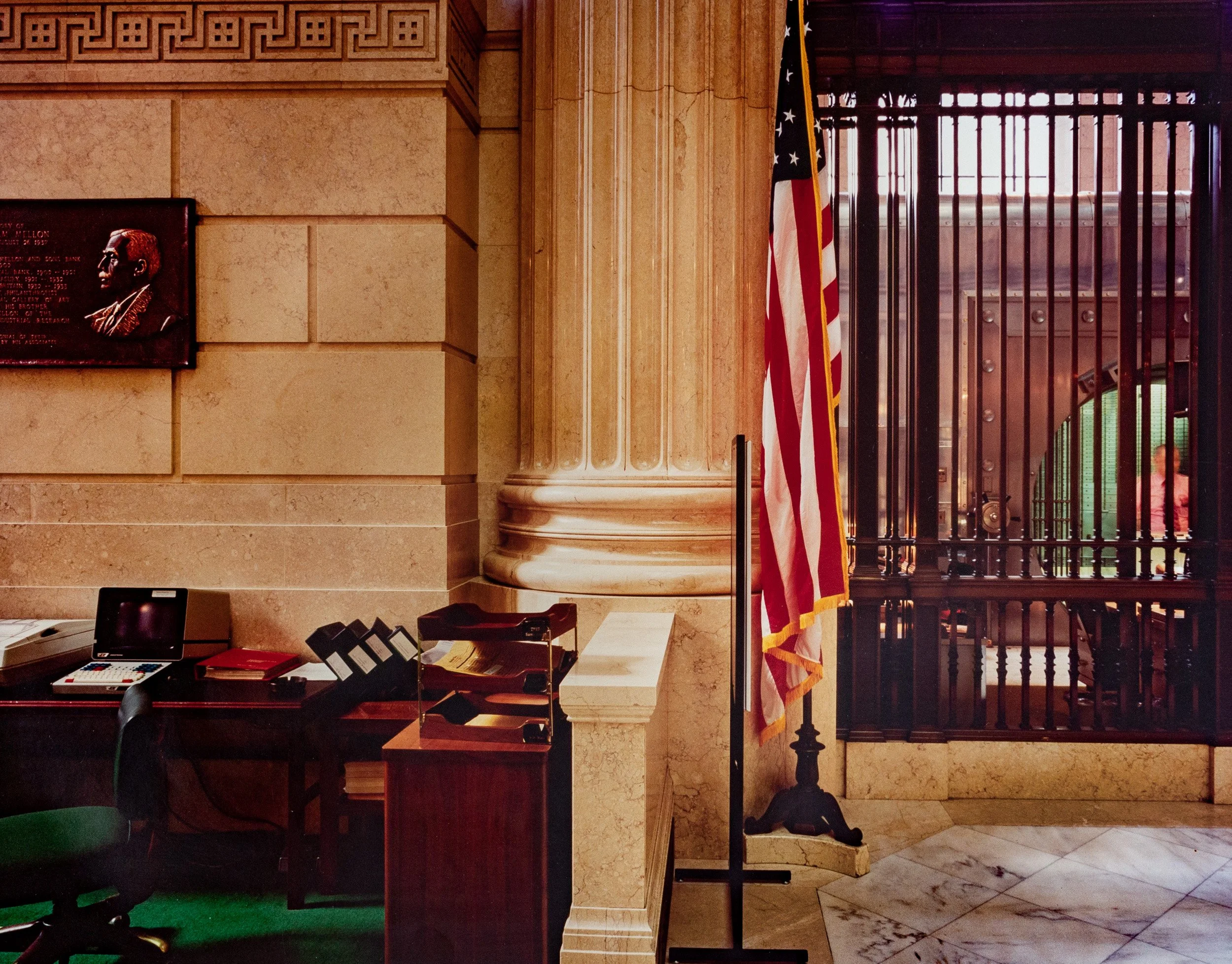
Banking and Architecture, 1982
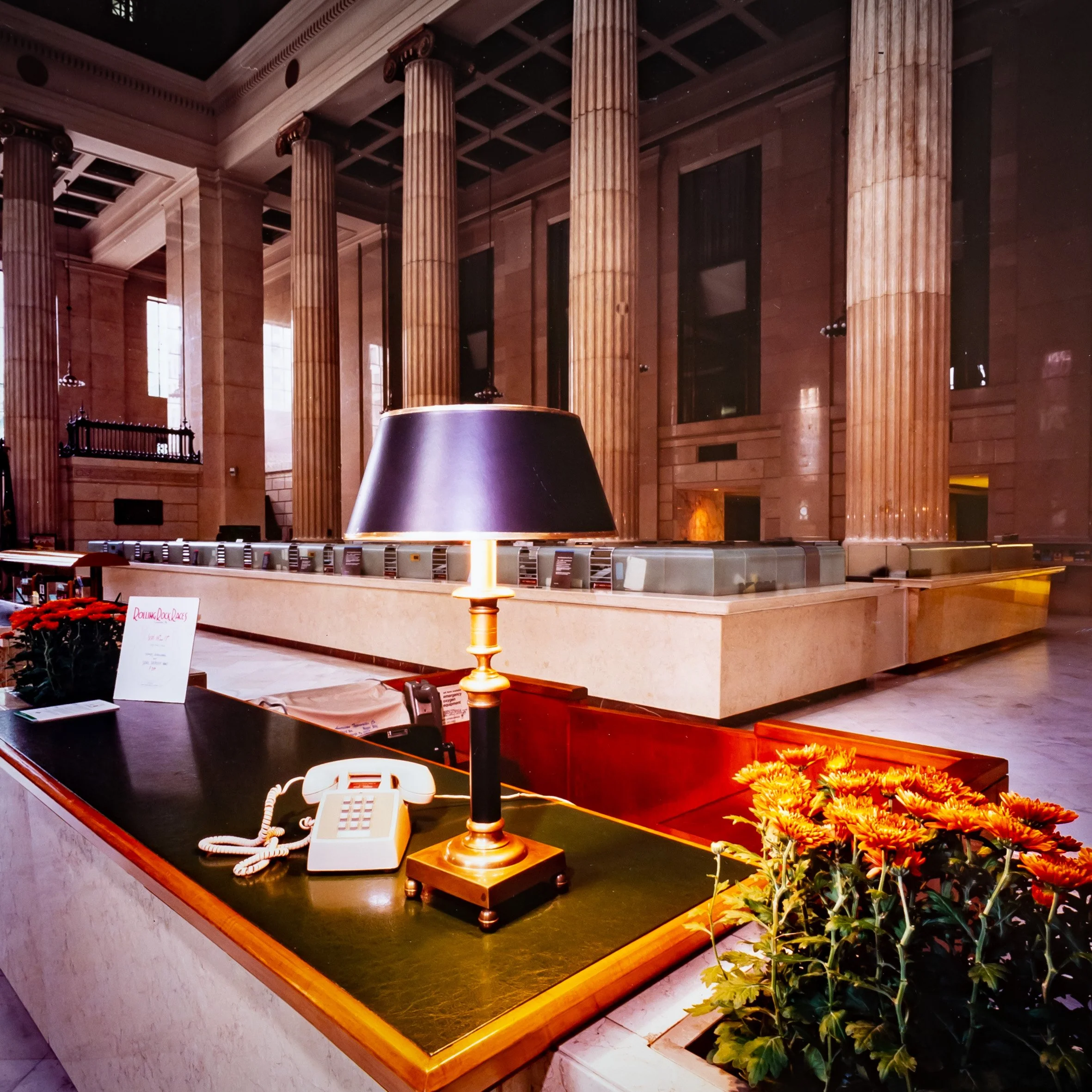
Banking and Architecture, 1982
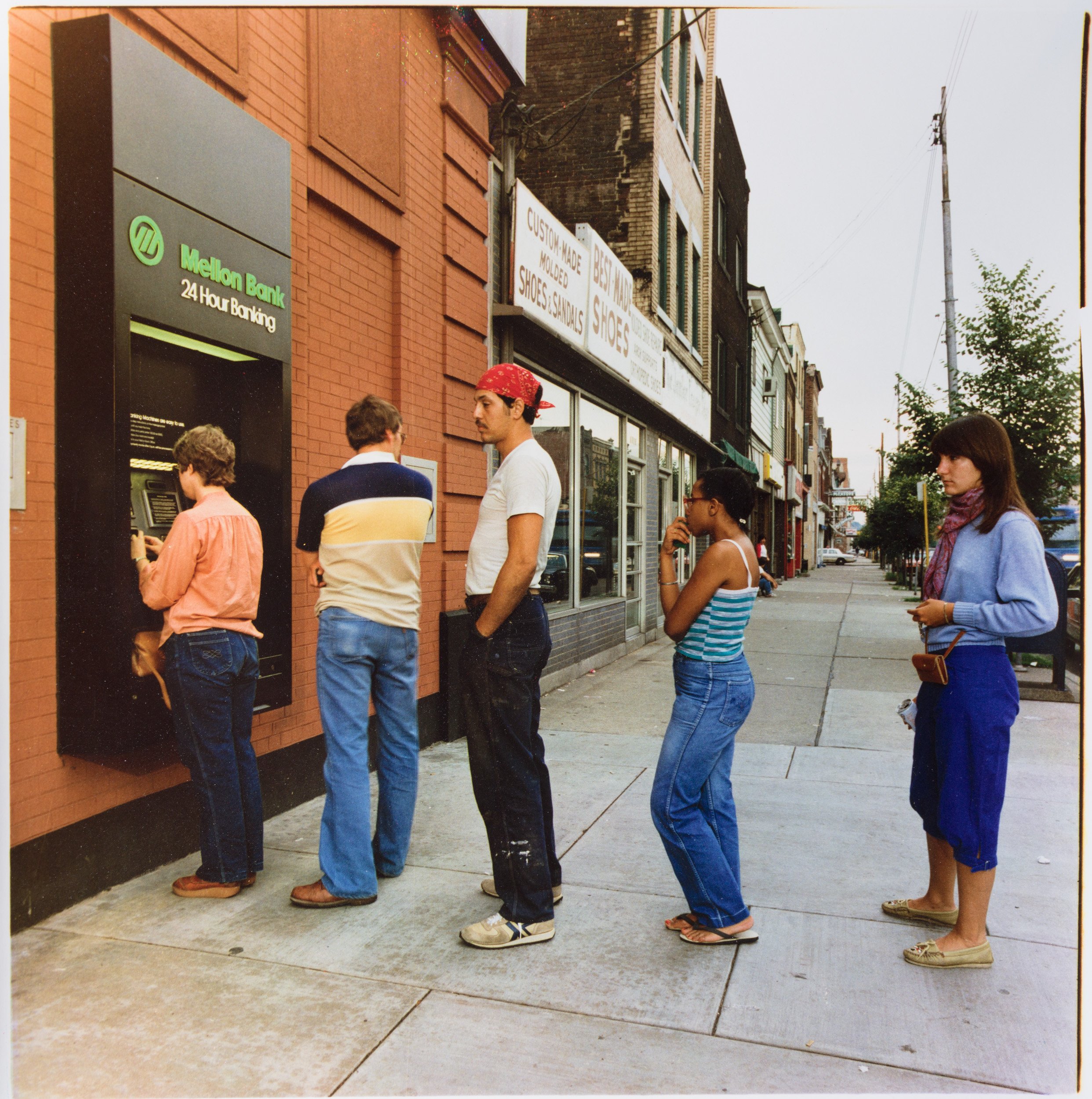
Banking and Architecture, 1982
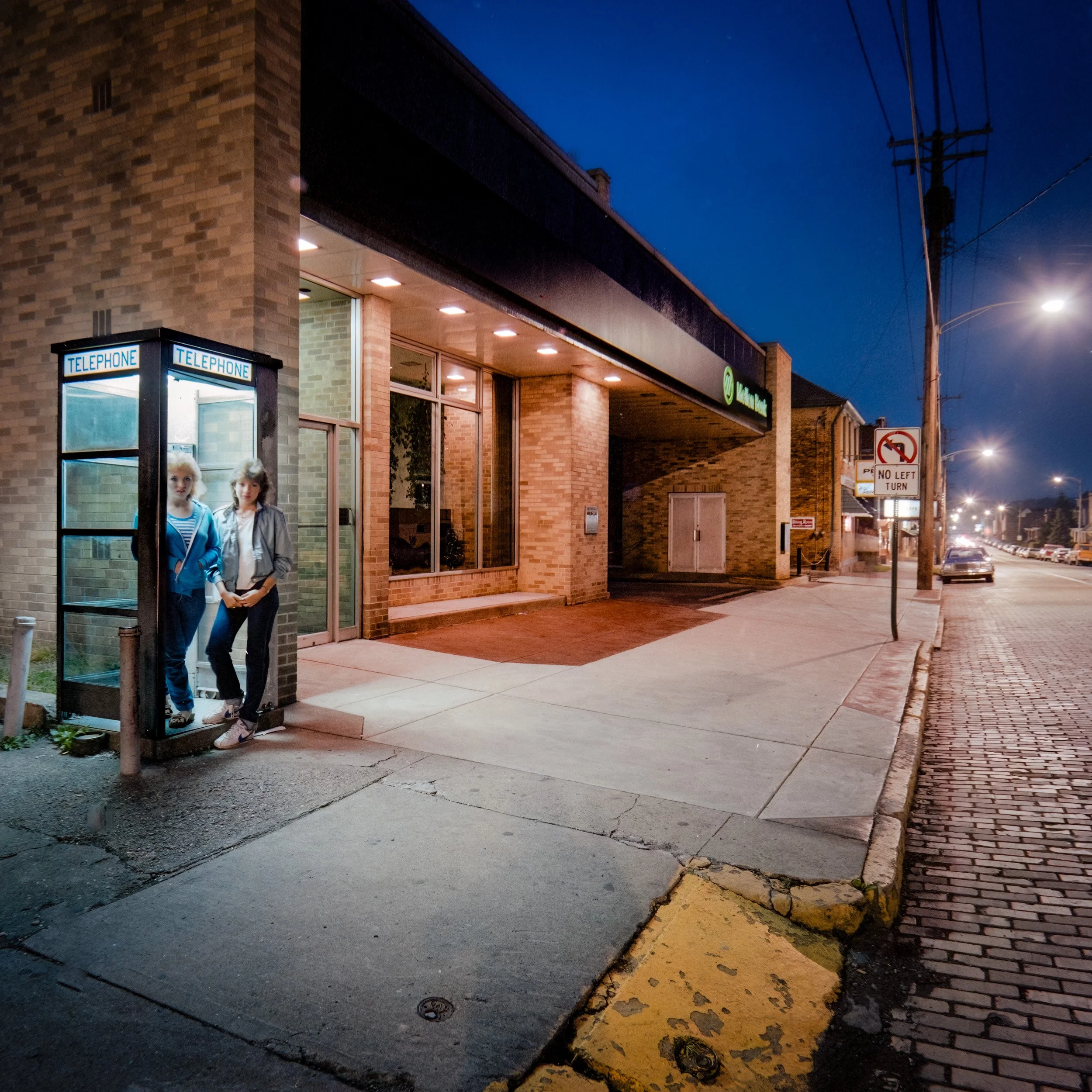
Banking and Architecture, 1982
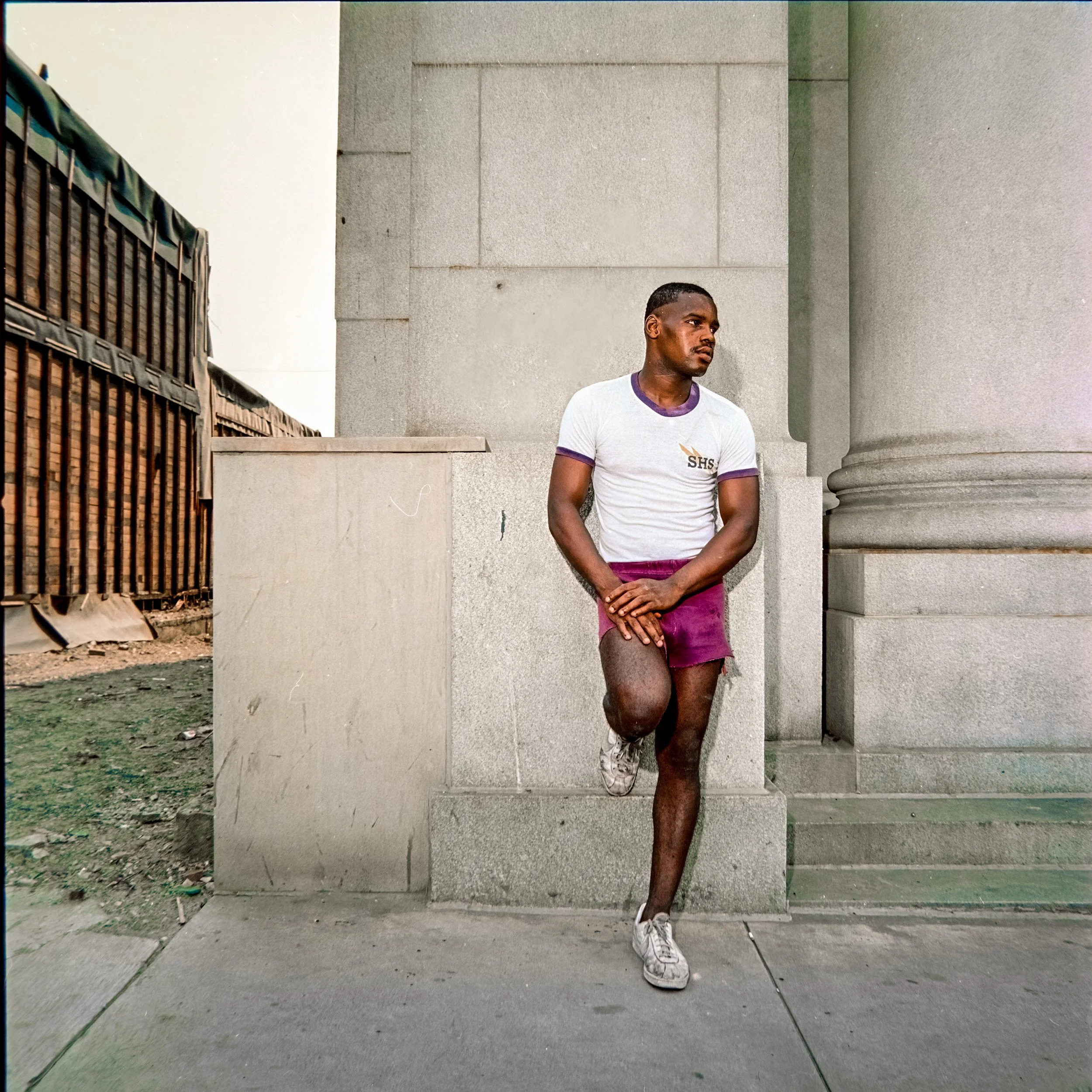
Banking and Architecture, 1982, dye transfer print
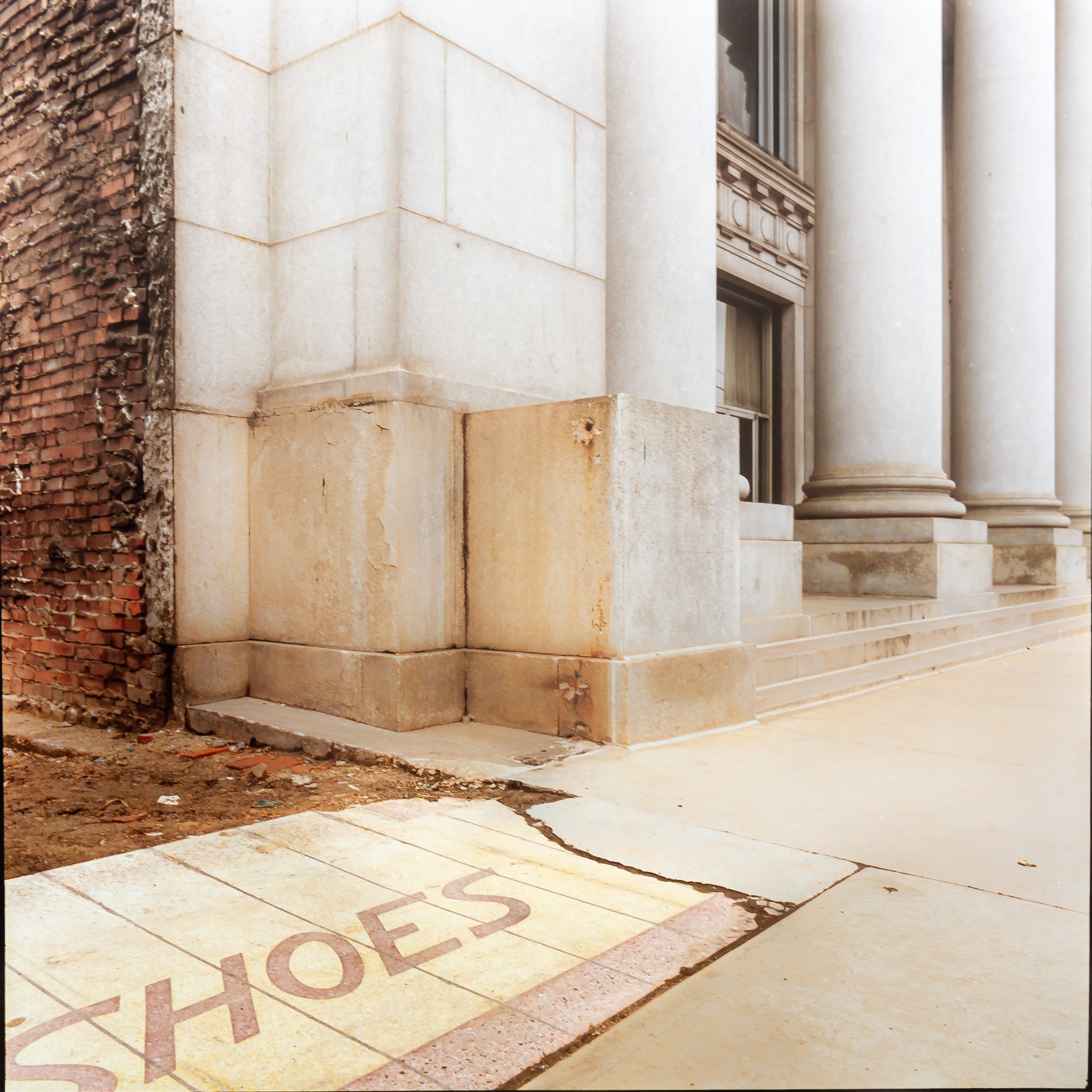
Banking and Architecture , 1982
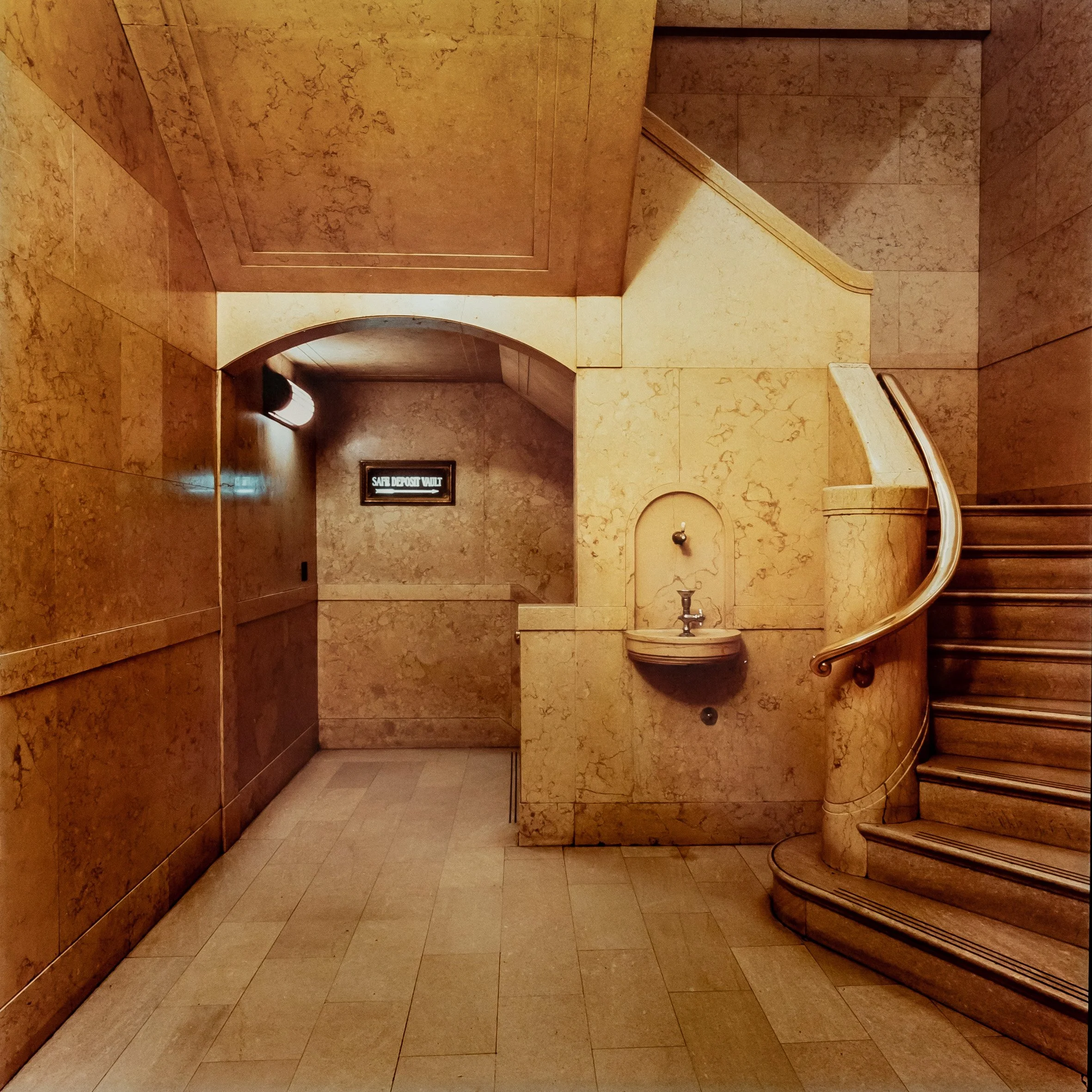
Banking and Architecture, 1982
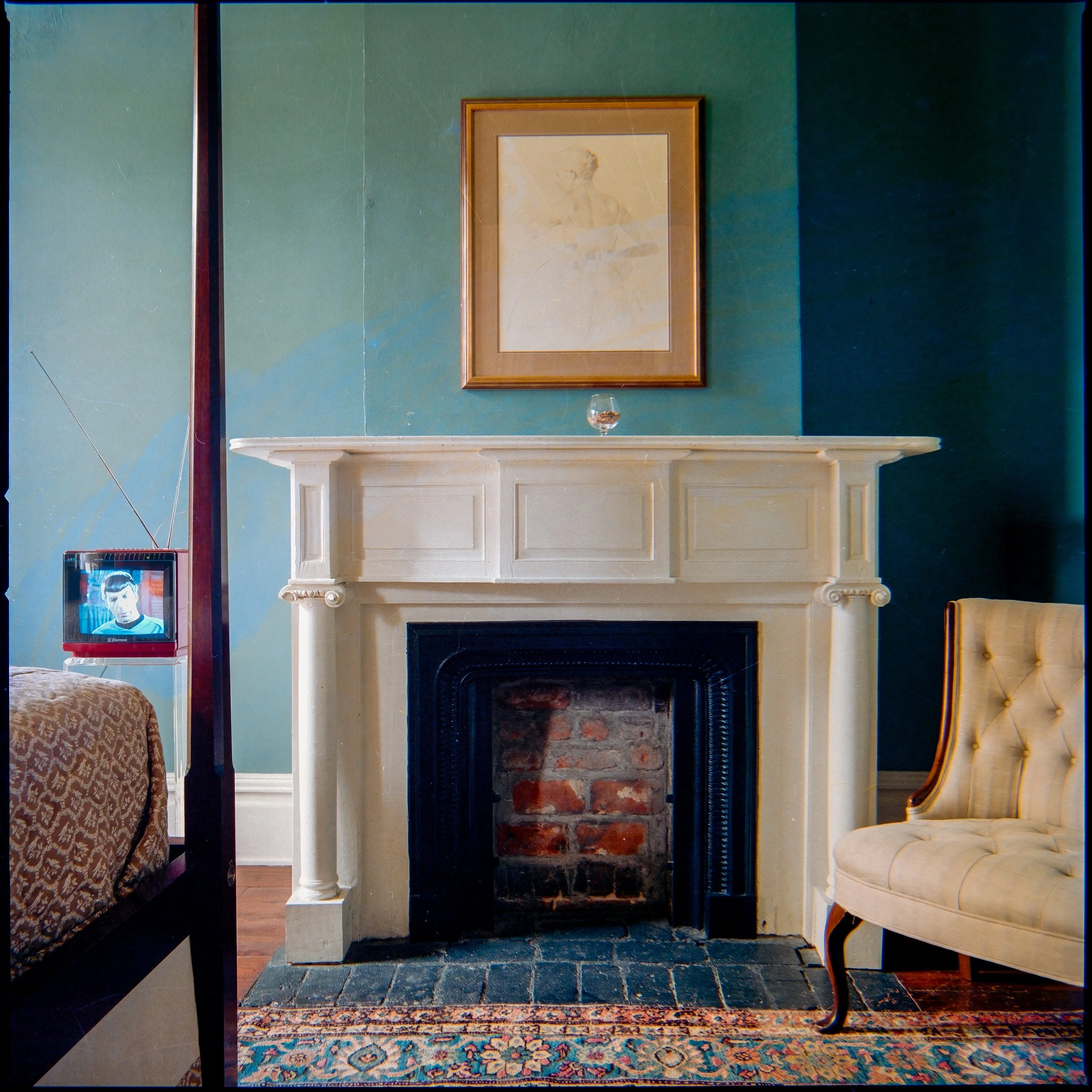
New Orleans, 1984
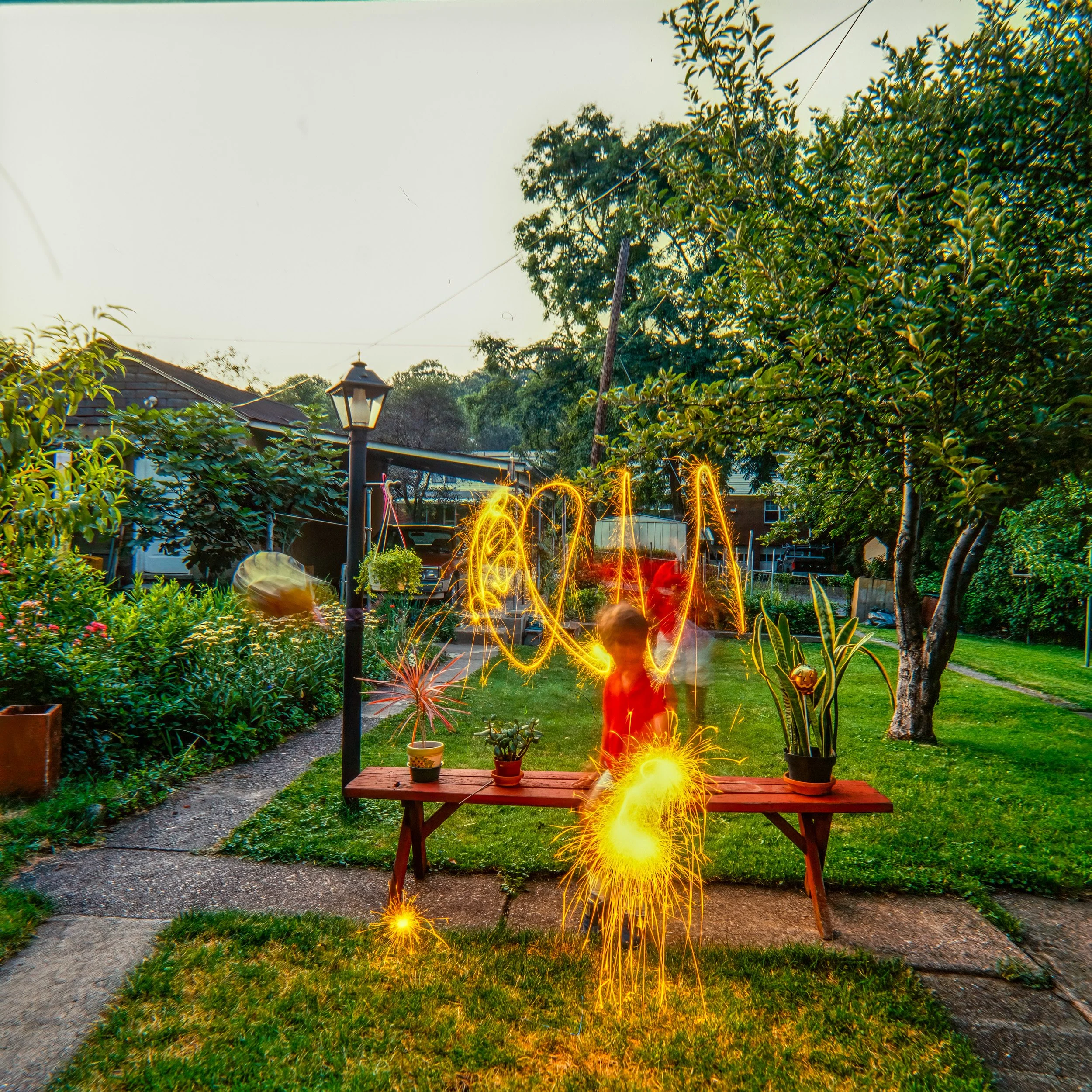
Fourth of July, 1984
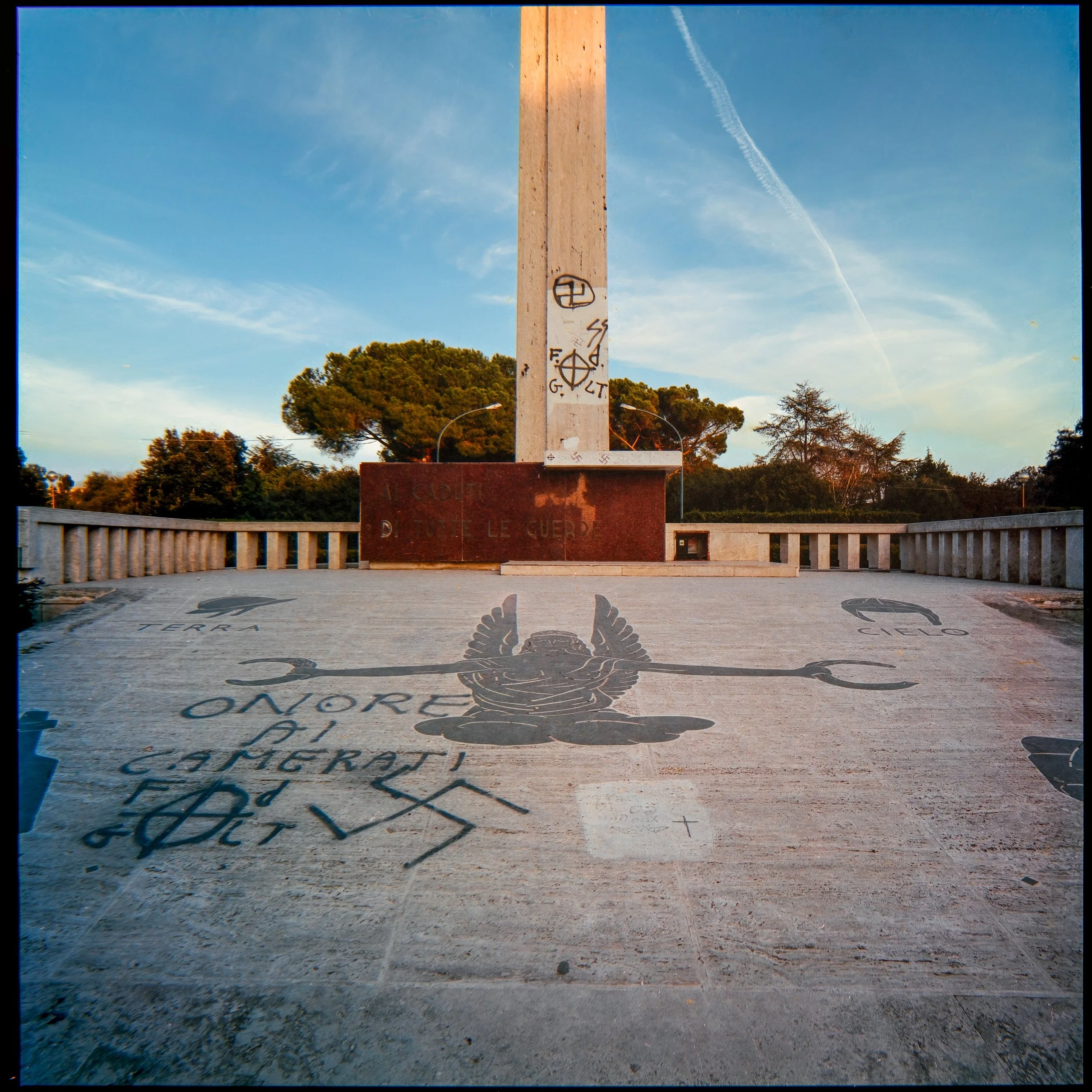
Latina, 1984
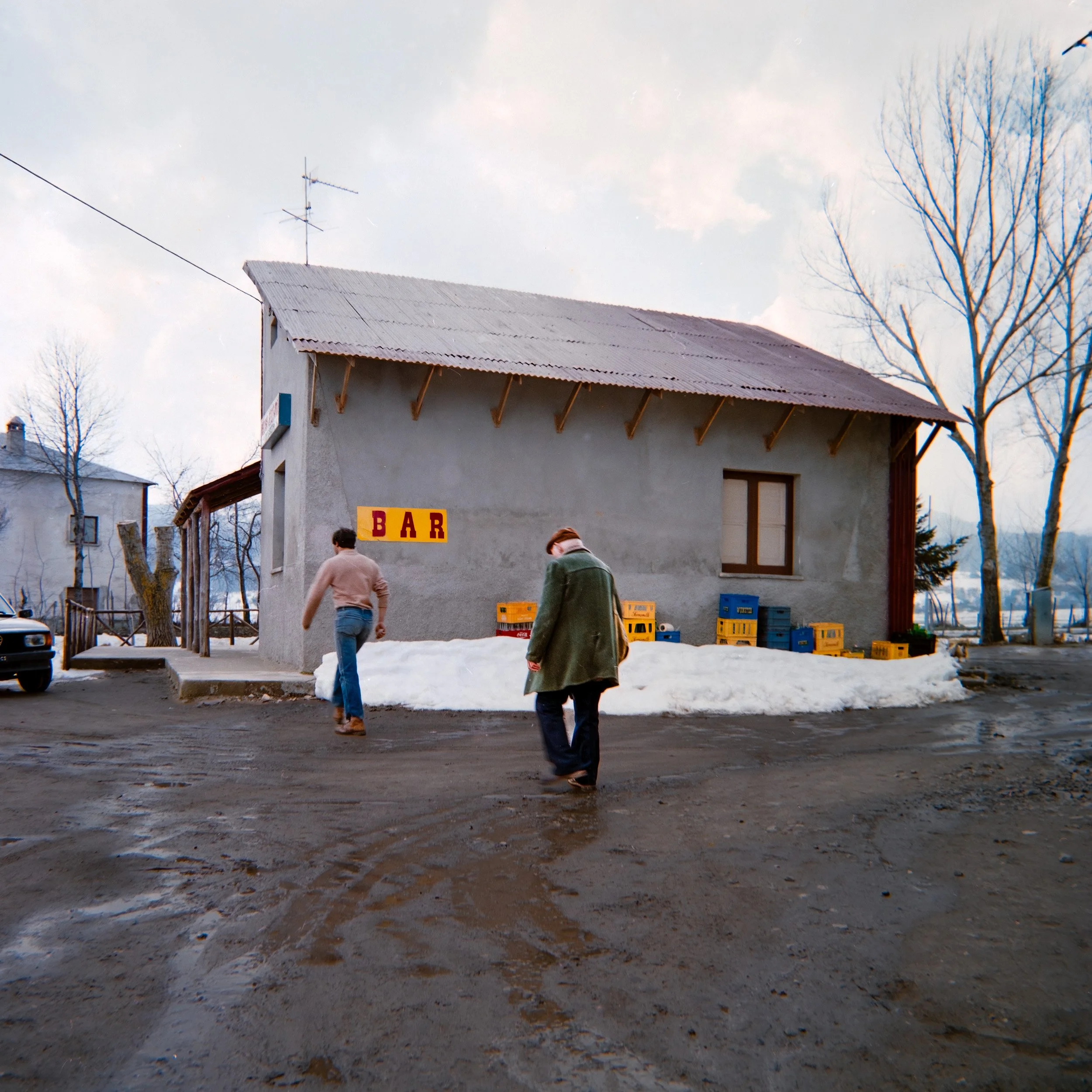
Calabria, 1985